
Small gardens feel relaxing right up to the moment watering turns into guesswork, because a few pots can still demand decisions every single day.
Today you’ll build a simple, adaptable routine that removes the confusion, while still respecting weather, pot size, and what each plant is quietly telling you.
Why a simple routine beats “watering by mood” in small garden care
Consistency matters more in small spaces because containers dry faster than in-ground beds, and a missed day can swing a plant from fine to stressed.
Clarity reduces overwatering, which is one of the most common reasons potted plants struggle, since soggy roots cannot breathe the way healthy roots need to.
Structure also saves time, because you stop re-deciding the same question every morning, and you start following a repeatable check-and-act rhythm.
Confidence grows when you have a plan that is easy to adjust, because you can change one variable at a time rather than improvising everything at once.
Even better, a routine helps you notice patterns, like which pots dry first, which plants sulk after heat, and which corners stay damp longer.
The goal of this article and what you will walk away with
You will leave with a baseline weekly template, a quick decision checklist, and practical rules for adjusting your watering schedule without second-guessing yourself.
A simple watering plan works best when it is specific enough to follow, yet flexible enough to handle heatwaves, rainy weeks, and different plant types.
Everything here is educational and independent, and it does not have affiliation, sponsorship, or control by any mentioned entities.
Notice: this content is independent and has no affiliation, sponsorship, or control by any institutions, platforms, or third parties mentioned.
Watering schedule for small gardens: the simple baseline you can start today
The baseline below assumes a typical small container garden with mixed plants, moderate sun, and average potting mix, so think of it as your starting map.
From that map, you will adjust using short daily checks, because observation is more accurate than fixed rules when weather changes quickly.
Most small gardens do well with a “check daily, water selectively” approach, rather than watering everything on the same strict days forever.
Baseline pattern in one sentence
Check every pot daily, water only the ones that need it, and do one deeper soak day each week for the thirstiest containers.
Baseline weekly template (quick overview)
- Monday becomes a “full check” day where you scan every pot and note the fastest-drying spots.
- Tuesday stays light, meaning you only water containers that fail the finger test or look droopy before noon.
- Wednesday works well as a targeted water day for sun-baked pots, especially terracotta containers or small volumes of soil.
- Thursday is another light day, focused on observation and minor top-ups rather than automatic watering.
- Friday suits a deeper soak for heavy feeders like fruiting plants, because they often prefer consistent moisture during growth.
- Saturday becomes your maintenance day, where you inspect drainage, saucers, mulch, and any signs of pests or stress.
- Sunday stays flexible, used for recovery after unusual heat, or skipped when rain or humidity kept soil evenly moist.
That outline is intentionally simple, because the best plan is the one you can actually repeat without friction.
How to build your own simple watering plan in 15 minutes
Instead of copying a schedule blindly, you will create a plan that matches your exact pots, exposure, and time available, which is what makes it stick.
- Start by grouping your containers into three thirst levels, because plants with similar needs are easier to manage together.
- Label Group A as “often thirsty,” including small pots in full sun, herbs, leafy greens, and anything newly planted.
- Place Group B as “moderate,” covering most ornamentals, medium pots, and plants that tolerate a little dry-down.
- Assign Group C as “slow,” which includes succulents, cacti, and large containers that hold moisture longer.
- Choose one daily check time you can keep, because routine beats intensity, and five minutes daily prevents thirty minutes of rescue later.
- Pick two “anchor days” for deeper watering, since occasional thorough soaks encourage roots to explore the full pot rather than staying shallow.
- Decide your default watering window, because morning versus evening affects evaporation, disease risk, and how quickly plants recover.
- Write your plan on a note by the watering can, because memory fails when you are busy, and friction kills consistency.
A plan becomes reliable when it is visible, simple, and based on groups, because you stop treating every pot as a brand-new puzzle.
Three thirst groups you can use immediately
- Group A (often thirsty): small pots, full sun, herbs, seedlings, leafy greens, hanging baskets.
- Group B (moderate): most flowering annuals, medium shrubs in pots, many houseplants outdoors in shade.
- Group C (slow): succulents, cacti, drought-tolerant ornamentals, large pots with thick mulch.
Grouping is powerful because it turns “twenty decisions” into “three decisions,” and that is exactly what a confused schedule needs.
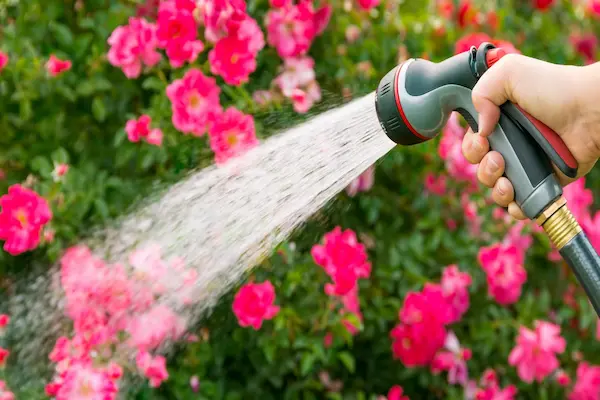
The five fast checks that decide “water today or wait”
Plants do not care what the calendar says, so these quick checks help you water based on need rather than habit.
- Finger test: push a finger 2–5 cm into the soil, because a dry surface can hide moisture deeper down.
- Pot weight: lift the container slightly, since a light pot often signals dryness faster than your eyes can.
- Leaf posture: notice midday droop versus morning droop, because afternoon wilting in heat can happen even with moist soil.
- Soil color and texture: look for pale, dusty mix versus darker, cohesive mix, because texture shifts with moisture levels.
- Drainage cue: check whether water runs out quickly or pools on top, because slow drainage changes how often you should water.
Decision-making becomes calm when you rely on signals, because signals are real-time information, while rigid schedules are guesses.
A simple rule for the finger test
Water when the top 2–3 cm are dry for most plants, but wait longer for succulents and water sooner for seedlings.
Watering schedule for small gardens: factors that change frequency (and why)
Frequency is not a moral failure or a discipline problem, because it changes naturally with heat, wind, pot material, and plant growth stages.
Adjustment becomes easy when you know which variables matter most, because you can tweak one lever instead of rewriting your whole routine.
Climate and weather swings
Hot, dry air increases evaporation from soil and leaves, so a routine that worked last week can suddenly feel insufficient during a heat spike.
Wind acts like a hidden hair dryer, because it strips moisture from leaves and speeds up soil drying even when temperatures look mild.
Humidity slows evaporation, so watering less often may be correct during sticky weeks, even if you feel tempted to water out of habit.
Rain helps only when it actually reaches your pots, because balconies and eaves can block rainfall and create “dry rain” illusions.
Pot size, shape, and material
Smaller pots dry faster because they hold less soil volume, and that limited buffer means roots experience stress sooner.
Terracotta breathes and evaporates moisture through its walls, which can be helpful for plants that hate wet feet but demanding in summer.
Plastic retains moisture longer, so watering frequency often drops, yet drainage becomes even more important to avoid waterlogged roots.
Fabric grow bags dry quickly at the sides, meaning you may need more frequent but smaller waterings, especially for edible crops.
Shallow pots lose moisture fast, while deeper pots hold a more stable moisture gradient, which can reduce how often you must intervene.
Soil mix and how it behaves
Fresh, airy potting mix drains well and holds usable moisture, while old compacted mix repels water, drains poorly, and creates confusing symptoms.
Mixes with more organic matter can hold water longer, which is good for thirsty plants, yet risky if drainage holes are limited.
Adding mulch slows evaporation, so a thin top layer of bark, straw, or leaf litter can reduce watering frequency without changing anything else.
Hydrophobic soil happens when dry mix repels water, so slow, repeated watering or bottom-watering can help rehydrate it evenly.
Plant species and growth stage
Leafy herbs and greens transpire heavily, which means they often need more consistent moisture than woody ornamentals.
Fruiting plants usually demand steadier watering during flowering and fruit set, because fluctuations can reduce yield and quality.
Succulents store water in tissues, so they prefer dry-down periods, and frequent watering can harm them even if leaves look “thirsty.”
Newly planted containers need closer attention, because roots have not explored the pot, and the plant cannot access deeper moisture yet.
Established plants can often handle longer intervals, because roots occupy more soil volume and can draw on deeper reserves.
Sun exposure and microclimates
Morning sun dries pots less aggressively than afternoon sun, so an east-facing balcony usually needs fewer emergency waterings than a west-facing one.
Reflected heat from walls, railings, and concrete can double stress, so pots near bright surfaces often dry earlier than center placements.
Shade slows drying, yet it can also encourage fungus if soil stays too wet, so your routine should balance moisture and airflow.
Morning vs evening watering: choosing the best default window
Timing is not just convenience, because it affects how much water reaches roots, how quickly leaves dry, and how plants handle heat stress.
Why morning is often the safest default
- Morning watering reduces evaporation compared with midday heat, so more water stays in the pot where roots can use it.
- Early moisture supports the plant through the hottest hours, so leaves stay more stable and less likely to droop dramatically.
- Daylight helps foliage dry quickly, which can lower disease pressure for plants prone to mildew or leaf spots.
When evening watering makes sense
- Evening watering helps during extreme heat when pots are dangerously dry, because plants can rehydrate overnight with less evaporation.
- Late watering suits shaded balconies where soil dries slowly, because the reduced sun prevents the “bake and evaporate” effect.
- Night watering should focus on soil, not leaves, because wet foliage that stays damp can invite fungal issues in still air.
A practical approach uses morning as the default and evening as a rescue option, because that keeps your schedule stable without being rigid.
A weekly model table you can copy for your watering schedule
The table below is designed for small gardens with a mix of pots, and it works best when you treat it as a checklist rather than a strict command.
| Day | 2-Minute Check | Group A (Often Thirsty) | Group B (Moderate) | Group C (Slow) | Notes |
|---|---|---|---|---|---|
| Monday | Finger + weight | Water if top is dry | Water only if dry | Usually skip | Reset week, note hot spots |
| Tuesday | Quick scan | Target dry pots | Usually skip | Skip | Watch for midday droop |
| Wednesday | Finger + drainage | Deep soak if needed | Top-up if dry | Skip | Check saucers and airflow |
| Thursday | Weight test | Target light pots | Water only if dry | Skip | Adjust for wind and sun |
| Friday | Full check | Deep soak option | Target dry pots | Skip | Great day for edible crops |
| Saturday | Maintenance | Water if needed | Water if needed | Check only | Clean drains, refresh mulch |
| Sunday | Flexible | Rescue if hot week | Optional | Optional | Skip if soil stayed moist |
This table works because it tells you what to check first, while still letting plant signals override the calendar when reality changes.
A “fill-in” mini log you can keep next to your watering can
- Date and weather note helps you spot patterns, because “windy and bright” often means faster drying even if temperatures look moderate.
- Group A yes-or-no keeps decisions quick, because you do not want to negotiate with every single pot.
- Group B yes-or-no prevents overwatering, because moderate plants usually do better with brief dry-down periods.
- Group C check-only protects succulents, because they usually suffer more from too much water than from waiting an extra day.
How to water correctly so the schedule actually works
Technique matters because watering too lightly can leave dry pockets, while watering too heavily without drainage can drown roots.
Deep watering method for containers
- Begin by watering slowly until you see water begin to exit the drainage holes, because that signals the whole root zone is getting wet.
- Pause for one to two minutes, since soil needs time to absorb water rather than letting it channel straight down the sides.
- Return for a second pass, because a split watering often hydrates more evenly than one fast pour.
- Empty saucers after fifteen to thirty minutes, because standing water can keep soil saturated and invite root problems.
Light top-up method for borderline pots
- Use a smaller amount of water only when soil is slightly dry, because you are aiming to stabilize moisture rather than saturate the pot.
- Avoid wetting leaves late in the day, since damp foliage overnight can encourage disease in still air.
- Re-check the next morning, because borderline pots can flip quickly during warm weather and you want to catch the shift early.
Good technique makes your watering schedule predictable, because each watering event actually produces the intended soil moisture outcome.
Watering schedule for small gardens by season: simple adjustments that prevent stress
Seasonal shifts change evaporation and plant growth, so your schedule should evolve smoothly rather than swinging wildly from daily to never.
Spring
Spring growth increases water demand, yet temperatures can still be mild, so the best strategy is frequent checks with selective watering.
- New leaves mean higher transpiration, so Group A often needs earlier attention as soon as active growth begins.
- Cool nights slow drying, which means evening watering is less urgent unless a windy day dried pots unusually fast.
- Fresh potting mix holds water well, so avoid reflex watering and let the finger test guide you calmly.
Summer
Summer typically demands more frequent watering because heat and sun accelerate evaporation, especially in small pots and on balconies.
- Heatwaves can shift Group A to daily watering, so treat your plan as a baseline and temporarily tighten intervals.
- Mulch becomes a secret weapon, because it reduces evaporation and gives you more stability between waterings.
- Morning watering becomes more valuable, because it helps plants face the hottest hours with adequate moisture.
Autumn
Autumn often lowers water demand as temperatures drop, so your schedule should loosen gradually while you watch for damp soil that lingers.
- Shorter days reduce drying, so Group B and Group C often need much less frequent watering than they did in summer.
- Rainy spells can keep pots wet for days, so drainage and saucer management become as important as watering frequency.
- Leaf drop and slower growth mean less water use, so overwatering risk increases if you keep summer habits.
Winter
Winter watering is usually infrequent, yet indoor heating and dry winds can still dry some containers faster than expected.
- Cold soil slows root activity, so many plants prefer slightly drier conditions rather than constant dampness.
- Indoor pots near heaters dry unevenly, so pot weight becomes a more reliable cue than surface appearance alone.
- Morning watering remains safer, because cold, wet soil overnight can stress roots in some sensitive species.
Special situations: quick rules that keep you from panicking
Real life interrupts routines, so these mini-plans help you stay consistent without needing a perfect daily record.
During a heatwave
- Move the most sensitive pots slightly into shade, because reducing heat load can cut water needs faster than any schedule change.
- Water early and deeply for Group A, because shallow, frequent splashes can leave roots near the surface and more vulnerable.
- Check again in late afternoon, since extreme heat can dry small containers unexpectedly even after morning watering.
- Skip fertilizing during peak stress, because extra salts can increase water demand and worsen wilting symptoms.
When you just repotted or planted something new
- Water thoroughly right after planting, because you want to settle soil around roots and remove large air gaps.
- Monitor daily for one to two weeks, since new roots have not colonized the pot and cannot access moisture evenly.
- Keep the soil slightly more consistent than usual, because big dry swings can stall establishment and slow growth.
If you travel for a few days
- Water deeply before leaving, because a fully hydrated root zone buys you time even in warm weather.
- Cluster pots together, since grouping creates a slightly more humid microclimate that reduces evaporation.
- Add temporary shade, because less sun means less water loss, and that matters immediately for small containers.
- Use self-watering trays cautiously, because constant standing water can harm plants that prefer airy soil.
For seedlings and tiny pots
Seedlings often need more frequent attention because their root systems are small, and tiny pots can swing from wet to dry in hours.
- Mist is not a substitute for root-zone moisture, so focus on gently watering soil rather than only spraying leaves.
- Bottom-watering can help, because it hydrates evenly and avoids disturbing delicate seedlings with a strong pour.
- Shade cloth or partial shade helps stability, because seedlings handle gentle light better than scorching midday sun.
Common mistakes that break a watering schedule, and the simplest fixes
Mistakes happen because watering feels simple, yet containers respond fast and can exaggerate small errors into visible stress.
Overwatering disguised as “kindness”
Constantly wet soil can mimic thirst because roots struggle, so leaves droop even though moisture is already excessive.
- Check drainage holes first, because blocked drainage turns every watering into a problem regardless of schedule.
- Let soil dry slightly between waterings for most plants, because oxygen in the root zone is a basic requirement.
- Use a smaller watering can for small pots, since it reduces the chance of accidentally flooding a container.
Underwatering disguised as “I watered yesterday”
Fast-drying pots can be dry again the next day, so relying on memory instead of checks can lead to repeated stress cycles.
- Weigh the pot, because it tells the truth even when the surface looks slightly dark from a light sprinkle.
- Water slowly to full drainage occasionally, because shallow watering can leave lower soil layers dry and roots underfed.
- Increase mulch, because it reduces evaporation and makes your schedule more forgiving during busy weeks.
Watering everything the same way
Uniform watering ignores reality, because succulents, herbs, and fruiting plants can sit within one meter yet need completely different rhythms.
- Group by thirst, because grouping is the fastest way to respect differences without creating complexity.
- Mark pots discreetly, since a simple dot or label prevents “oops” watering on slow-drinking containers.
- Rotate placement, because moving a thirsty pot out of full afternoon sun can reduce watering frequency instantly.
Observation skills that make any watering schedule feel effortless
Observation turns you into the kind of gardener who rarely panics, because you notice early signals and respond before stress becomes damage.
What healthy hydration looks like
- Leaves look firm and slightly glossy, because cells are filled with water and pressure supports structure.
- New growth appears steadily, because consistent moisture supports active root function and nutrient movement.
- Soil dries gradually, because a balanced mix holds moisture yet still allows airflow and drainage.
What “too dry” looks like beyond dramatic wilting
- Leaf edges crisp first, because the plant protects core tissues by sacrificing outer parts during mild drought.
- Soil pulls from the pot sides, because dry mix shrinks and can create gaps that let water run straight through.
- Growth slows subtly, because the plant reduces expansion when water becomes less available, even before leaves droop.
What “too wet” looks like beyond yellow leaves
- Soil smells sour, because anaerobic conditions can develop when water replaces oxygen for too long.
- Fungus gnats appear, because constantly damp soil provides a breeding environment for larvae.
- Leaves droop despite wet soil, because roots are stressed and cannot transport water effectively even though moisture is present.
Learning these cues reduces stress, because you stop guessing, and you start responding to the plant’s visible language.
Watering schedule for small gardens: a practical “set and adjust” system
The best system is one that you set once, follow for a week, and adjust with small tweaks, because perfection is not required for healthy growth.
Week 1: set your baseline
- Follow the table template as written, because it creates a stable starting point that you can measure against.
- Write one short note daily, since small observations become clear patterns after only seven days.
- Resist changing everything midweek, because you need at least a few days of consistency to learn what is truly happening.
Week 2: adjust one lever at a time
- Increase frequency only for the pots that repeatedly fail the finger test, because selective changes keep your plan simple.
- Decrease frequency for pots that stay wet two days in a row, because persistent moisture often signals poor drainage or low demand.
- Change placement before changing watering, because shade and wind protection can reduce water loss without adding work.
Week 3: lock in your “normal week” and define your “hot week” rules
- Create a normal-week routine, because most weeks are not extreme and deserve a calm default.
- Define heatwave rules, because extreme weeks require faster action and you do not want to invent a plan while stressed.
- Define rainy-week rules, because extra watering during wet periods is one of the easiest ways to trigger root issues.
This approach works because it combines structure with reality, which is exactly what a small garden needs to stay healthy and low-drama.
Quick reference: simple watering plan cheatsheet for busy days
Busy days are when routines fail, so this cheatsheet helps you do the minimum that still protects your plants.
Two-minute daily routine
- Scan leaves for unusual droop, because sudden changes often matter more than the calendar.
- Touch soil in your three thirstiest pots, because those containers act like early warning signals.
- Lift one medium pot, because weight gives fast feedback and prevents unnecessary watering.
- Water only the pots that show real dryness, because targeted watering saves time and reduces overwatering risk.
Weekly maintenance routine (ten minutes)
- Clear drainage holes, because blocked exits turn good watering into waterlogging.
- Refresh mulch, because a thin protective layer can reduce evaporation more than you expect.
- Check saucers, because standing water changes soil oxygen levels and can stress roots.
- Inspect for compacted soil, because water that runs down the sides signals the mix needs rehydration or improvement.
- Rotate pots slightly, because even small changes in light exposure can balance growth and reduce stress hotspots.
Putting it all together without overthinking
Start with the baseline table, because it gives you a simple structure that feels calm even when you are unsure.
Use the five checks, because they turn uncertainty into a repeatable decision process that improves with practice.
Adjust based on factors like heat, wind, pot material, and species, because those variables explain almost every “why is this happening” moment.
Keep notes briefly, because a tiny log turns random watering into a confident routine within just a few weeks.
Most importantly, treat your schedule as a living tool, because small gardens respond quickly, and your best results come from gentle, consistent adaptation.