
Watering feels simple until you realize most plants do not die from “lack of love,” but from too much water delivered at the wrong moment.
This calm, practical guide shows you how to water with confidence, using everyday tests and clear signs instead of panic and guesswork.
Notice: This content is independent and has no affiliation, sponsorship, or control by any entities mentioned.
Watering plants the right way starts with one truth: roots need air as much as water
Healthy roots are not meant to live in a permanent swamp, because oxygen around the roots is what keeps the whole plant functioning smoothly.
Overwatering is usually not “too much water at once,” but “watering again before the soil has had time to breathe,” which slowly suffocates roots and invites rot.
Confidence grows when you picture soil like a sponge that needs to drain and re-fill with air, rather than a cup you keep topping up because you feel guilty.
Beginner frustration often happens because leaves can droop from both overwatering and underwatering, which tricks you into watering even more when the plant is actually drowning.
Better garden care becomes possible when you stop asking “Did I water today?” and start asking “Is the root zone ready for water right now?”
Why “I water when I remember” often turns into overwatering
Memory-based watering usually shows up as big emotional watering sessions, where you drench everything because you feel behind, and then repeat before the soil has dried enough.
Indoor plants suffer faster because evaporation is slower in many homes, especially in low light, so pots stay wet long after the surface looks dry.
Outdoor containers can swing the other way, because sun and wind can dry them quickly, which tempts you into daily watering habits that become harmful when weather suddenly cools.
Stability comes from a simple routine: check moisture first, water only if needed, and keep notes until your eyes learn the pattern.
How often to water: stop using a calendar and start using a moisture decision
A fixed schedule feels comforting, yet plants do not read calendars, and soil dries at different speeds depending on light, temperature, humidity, wind, and pot size.
“How often to water” is best answered with a range, because the real answer changes week to week even in the same home.
Realistic success happens when you treat watering as a decision you make after checking the soil, not as a chore you must perform on specific days to feel responsible.
Four factors that change watering frequency more than most beginners expect
- Light intensity: More light usually means faster growth and faster drying, while low light often means slow drying and higher overwatering risk.
- Temperature and airflow: Heat and wind pull water from soil quickly, while cool still air keeps pots wet longer.
- Container size and material: Small pots dry fast, large pots dry slowly, clay pots breathe, and plastic pots hold moisture longer.
- Soil type and structure: Airy mixes drain quickly, dense mixes hold water, and compacted mixes can stay wet while also repelling water when dry.
Instead of chasing the perfect schedule, build a simple habit of checking moisture at predictable moments, like when you make coffee or when you open the curtains.
A beginner-friendly watering frequency guide that stays honest
These ranges are not rules, yet they give you a starting expectation so you feel less lost while you learn your plant’s rhythm.
- Many indoor houseplants: Often need water every 7–14 days, with big variation depending on light and pot size.
- Succulents and cacti indoors: Often need water every 2–4 weeks, and sometimes even less in winter or low light.
- Outdoor container vegetables in warm weather: Often need water every 1–3 days, especially during heat and wind.
- Raised beds in mild weather: Often need deep watering 1–3 times per week, depending on mulch, soil, and rainfall.
Your goal is not to memorize these numbers, but to use them as a reality check so you stop watering a slow-drying pot every other day out of habit.
Overwatering signs: what to look for before the plant “suddenly” collapses
Overwatering usually looks like slow, confusing decline rather than dramatic immediate failure, which is why it catches so many beginners off guard.
Clear overwatering signs show up in the soil, the smell, and the pattern of leaf changes, so paying attention to the whole picture matters more than any single symptom.
Learning these signs is powerful because it helps you pause, breathe, and stop pouring water on a problem that water created.
Above-soil overwatering signs you can notice quickly
- Yellowing leaves that feel soft: Yellow can have many causes, yet soft yellowing paired with wet soil often points toward excess moisture.
- Drooping that does not improve after watering: A thirsty plant often perks up after water, while an overwatered plant may stay limp or worsen.
- Leaf drop that seems random: Sudden leaf shedding can happen when roots are stressed and cannot support the foliage.
- Mushy stems near the base: Softness at the crown is a serious warning sign that roots and stem tissue are breaking down.
Soil-level overwatering signs that many people miss
- Soil stays wet for many days: If the pot still feels heavy and damp deep down after a week, watering again is usually a mistake.
- A sour or swampy smell: Bad odor suggests oxygen-starved conditions that encourage harmful microbes.
- Fungus gnats hovering: Gnats thrive in consistently damp organic matter, so they often appear when watering is too frequent.
- Green algae or moss on the surface: Surface growth can be a clue that the top stays wet too often, especially indoors.
Overwatering signs that look like “not enough water” at first
Wilting with wet soil is the classic trap, because damaged roots cannot move water upward even though water is present.
Leaves can curl or look tired when roots are suffocating, which makes beginners water again and speed up the decline.
Trust the soil check more than your fear, because fear tends to push you toward watering even when the plant needs air instead.
Underwatering signs: what dryness looks like when you catch it early
Underwatering is usually easier to fix than overwatering, because dry roots can often recover quickly once moisture returns, while rotted roots must regrow from scratch.
Dryness also has a pattern that becomes easy to recognize, especially when you learn what the pot feels like when it is light and ready for water.
Early detection matters because repeated severe drying can stunt growth and create tough leaves, bitter greens, or weak flowering.
Common underwatering signs above the soil
- Drooping with dry soil: Leaves look limp, and the plant often improves within hours after a deep watering.
- Crispy brown edges: Dry air and dryness stress can create crisp tips, especially on some houseplants and leafy crops.
- Slow growth and smaller leaves: Water stress reduces expansion, so the plant stays “mini” even in good light.
- Flowers dropping early: Fruiting and flowering plants may drop blooms to protect themselves during drought stress.
Soil-level underwatering signs you can confirm fast
- Soil pulls away from the pot edge: Shrinking mix can leave gaps, and water may run down the sides without soaking the root ball.
- Surface becomes dusty and hard: A crust can form, especially in compacted mixes, and it can repel water at first.
- Pot feels unusually light: The “lift test” is one of the simplest real-life tools for busy people.
When underwatering becomes a cycle, not a single event
Repeated drying can turn some mixes water-repellent, which means you water, the water runs through, and the center remains dry.
Bottom-watering or slow soaking can rehydrate a stubborn root ball, which is often the difference between recovery and endless frustration.
Plant watering tips that actually work: five simple moisture tests you can trust
Because leaves can lie, soil testing is the calmest way to decide whether to water, especially for people who tend to overwater out of worry.
These tests require almost no equipment, and they quickly teach your hands what “ready for water” feels like in your specific pots and beds.
Test 1: the finger test, done the right way
The finger test works best when you check below the surface, because the top inch can dry while the root zone remains wet.
- Push a clean finger into the soil to about the first knuckle for small pots, or deeper for larger containers.
- Notice whether soil feels cool and damp, slightly moist, or dry and crumbly at that depth.
- Water only when the depth you tested is appropriately dry for that plant type, rather than watering because the surface looks pale.
For many common houseplants, watering when the top couple inches are dry is safer than watering when the surface merely “looks dry.”
Test 2: the lift test for people who forget details
Weight is a real-life indicator, because wet soil is heavy and dry soil is light, and your hands learn this difference faster than your eyes do.
- Lift the pot right after a thorough watering and notice the “fully watered” weight.
- Lift again a few days later and feel how the weight changes as the soil dries.
- Water when the pot feels noticeably lighter, especially when paired with a dry finger test at root depth.
This method is excellent for beginners who overwater, because it replaces anxiety with a physical signal you can repeat.
Test 3: the chopstick or skewer test for deeper pots
A wooden skewer acts like a dipstick, making it easier to check moisture deeper than your finger can comfortably reach.
- Insert a clean chopstick or skewer into the soil near the edge, avoiding thick roots when possible.
- Leave it for a minute, then pull it out slowly.
- Look for damp soil clinging to the wood, which suggests moisture remains deeper down.
When the stick comes out mostly clean and dry, watering is more likely to be appropriate than when it comes out dark and damp.
Test 4: the “listen to the plant” test, paired with soil confirmation
Leaf posture can help when you treat it as a clue, not as the final decision, because droop can mean two opposite problems.
Soil confirmation keeps you safe, since droop plus wet soil suggests “pause,” while droop plus dry soil suggests “water deeply.”
Over time your eyes will learn patterns, like which plants droop slightly in midday heat yet recover later without needing extra water.
Test 5: moisture meters, used wisely
Moisture meters can be helpful training wheels, yet they are not perfect, so using them alongside the finger test prevents false confidence.
- Readings vary by soil type, so compare the meter to what your finger feels for a few weeks.
- Placement matters, so checking near the root zone gives better information than checking near the surface only.
- Trend matters more than one number, so watch whether moisture is decreasing between checks instead of obsessing over a single reading.
A meter is most useful when it supports your learning, rather than replacing your attention entirely.
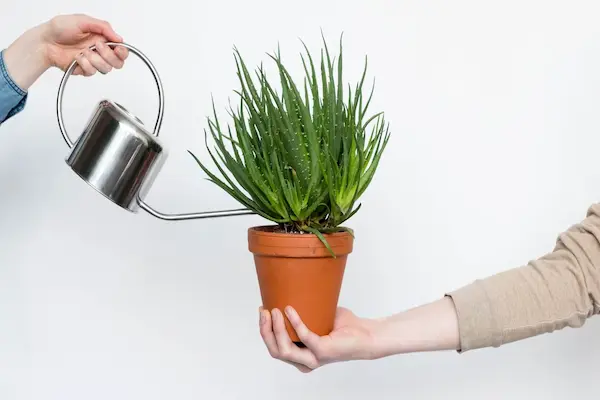
Watering plants the right way means watering deeply, not constantly
Deep watering encourages roots to grow downward and outward, which creates a stronger plant that handles minor stress without collapsing.
Constant shallow watering keeps roots near the surface, which makes plants more sensitive to heat, wind, and missed watering days.
Thorough watering also helps flush salts in containers, especially when you fertilize occasionally, which can reduce leaf tip burn in some plants.
How to water deeply in pots without making a mess
- Water slowly until you see water exit the drainage holes, because that confirms the full root zone received moisture.
- Pause for a minute, then water a second time lightly, because dry pockets can resist water on the first pass.
- Empty saucers after a short time, because sitting water can keep the bottom of the pot constantly wet.
Slow watering is kinder than flooding, because it gives soil time to absorb rather than letting water rush down channels and out the bottom.
How to water deeply in garden beds without wasting water
Bed watering is about soaking the root zone, not wetting leaves, because wet foliage can invite disease in humid conditions.
- Water early enough that the surface can dry a bit later, especially if nights are cool and damp.
- Aim water at the soil, because roots drink from soil moisture, not from leaf surfaces.
- Use mulch to reduce evaporation, because mulch keeps moisture stable and reduces how often you must water.
Checking moisture a few inches down in a bed tells you more than looking at the top layer, which can be dry even when deeper soil is still moist.
Best times to water: morning usually wins, but context matters
Timing can improve plant health, because watering at the right time reduces stress and supports steady water uptake during the day.
Morning watering is often ideal outdoors, because plants can hydrate before heat peaks, and leaves have time to dry, reducing fungal risk.
Evening watering can be useful in very hot climates when plants wilt hard, yet wet foliage overnight can be risky in humid areas.
Morning watering benefits for outdoor garden care
- Soil absorbs water before strong sun evaporates it quickly, improving efficiency.
- Plants enter the day with available moisture, which reduces midday stress.
- Leaves dry faster after splashes, lowering disease pressure in many situations.
When midday watering makes sense, without shame
Heat waves can create emergency conditions, and saving a plant sometimes means watering in the middle of the day with extra care.
- Direct water at the soil, because wet leaves under hot sun can sometimes scorch.
- Use a gentle flow, because sudden cold water on hot soil can shock roots in extreme conditions.
- Consider temporary shade, because shade reduces water demand and helps plants recover.
Indoor watering timing: less about sun, more about routine
Indoor plants benefit when you water at a time you can observe them, because noticing drainage, leaks, and plant response prevents ongoing problems.
A consistent check-in moment, like weekend mornings, supports a calmer habit than random watering at night when you are tired and rushed.
Watering plants the right way in different setups: pots, beds, and planter boxes
Water behaves differently in each setup, so watering strategy must change, because the same amount of water can be perfect in a bed and disastrous in a pot.
Understanding these differences reduces overwatering, since many beginners treat every growing space like it has the same drying speed.
Pots and containers: fast swings and higher overwatering risk
Containers have limited soil volume, so they warm up, cool down, dry out, and saturate faster than the ground does.
Drainage holes are critical, because there is no “escape route” for extra water if the pot traps it at the bottom.
Soil structure matters more, because compacted mix in a container becomes a brick that holds water unevenly and starves roots of oxygen.
- What helps overwater-prone people: Use a breathable potting mix, choose pots with drainage, and check moisture before every watering.
- What helps forgetful waterers: Use slightly larger containers, add mulch on top, and consider self-watering systems with careful monitoring.
- What often causes trouble: Decorative pots without drainage, dense garden soil in containers, and watering “just a little” every day.
Raised beds and in-ground beds: slower changes and deeper reserves
Beds hold more soil, so they buffer moisture changes, which means deep watering less often is usually more effective than light daily watering.
Root zones can extend deeper, so checking moisture a few inches down helps you avoid watering when deeper soil is still doing its job.
Mulch becomes a powerful tool, because it stabilizes moisture and reduces evaporation, making your garden care more forgiving.
- What helps beginners: Water deeply, mulch consistently, and use a finger or trowel to check depth moisture before watering again.
- What often causes trouble: Sprinkling the surface daily, which encourages shallow roots and invites weeds.
Planter boxes and window boxes: the “in-between” that can surprise you
Planter boxes often dry faster than beds and sometimes faster than expected, because they have more exposure to wind and sun on sides as well as on top.
Drainage is essential, because long boxes can collect water unevenly, leaving one side soggy while the other side dries out.
Grouping plants with similar water needs is important, because one thirsty plant can tempt you to overwater neighbors that prefer drier soil.
How often to water by plant personality: quick guide for everyday plants
Plant type influences watering needs, because thick-leaved plants store water while thin-leaved plants lose water faster and often prefer steadier moisture.
Using plant personality as a clue helps you choose safer drying targets, which is especially helpful for people who tend to water too frequently.
Succulents and cacti
Succulents prefer drying out fully between waterings, because their roots and leaves are adapted to store water and to avoid constant wetness.
- Water deeply, then wait until the mix is dry well below the surface before watering again.
- Use fast-draining mix and a pot with drainage, because slow drying is the most common killer.
- Expect longer dry periods in winter or low light, because growth slows and water use drops.
Herbs like basil, parsley, and cilantro
Many common herbs prefer moderately consistent moisture, yet they still dislike soggy soil, so “moist but airy” is the sweet spot.
- Check moisture frequently outdoors, because herbs in sun can dry quickly.
- Avoid letting pots sit in standing water, because herbs often respond poorly to constant saturation.
- Harvest often, because harvesting encourages growth and helps you notice changes early.
Leafy greens like lettuce, arugula, and spinach
Greens generally like steady moisture, because dryness can trigger bitterness, bolting, and tough leaves, especially in warm conditions.
- Use mulch in beds and containers, because it smooths moisture swings.
- Water in the morning when possible, because midday stress can turn leaves limp and tempting to overwater later.
- Plant in cooler seasons if your climate is hot, because cool air reduces water stress and improves flavor.
Fruiting vegetables like tomatoes and peppers
Fruiting plants need consistent watering, because big swings can cause stress, cracked fruit, and blossom issues that feel mysterious when you are new.
- Water deeply and consistently, because shallow frequent watering creates unstable growth.
- Use larger containers, because more soil volume buffers moisture and reduces sudden drought stress.
- Support plants well, because staking reduces damage and keeps foliage from resting on wet soil.
Common houseplants with medium needs
Many houseplants prefer partial drying between waterings, which means you water thoroughly, then wait until the top portion of soil is dry before repeating.
- Lower light usually means slower drying, so watering frequency often decreases in darker rooms.
- Cold seasons often reduce water use, so winter watering should usually be lighter and less frequent.
- Drainage and airflow still matter, because indoor pots can stay wet quietly for a long time.
Everyday examples: what “right watering” looks like in real life moments
Examples help because they replace abstract rules with scenes you can recognize, which makes the right choice feel obvious instead of stressful.
Use these situations as mental shortcuts when you are tempted to water out of habit or guilt.
Example 1: the “sad droop” at 2 p.m. on a hot day
Midday droop can be a normal response to heat, especially outdoors, because plants temporarily reduce water loss by relaxing leaf posture.
Checking soil is the deciding move, because droop with moist soil often means “wait,” while droop with dry soil means “water slowly and deeply.”
- Feel the soil a few inches down if possible, not just the surface.
- Water only if the root zone is dry, because watering wet soil adds stress rather than relief.
- Recheck in the evening, because many plants recover as temperatures cool without needing extra water.
Example 2: the indoor plant that looks fine, but the pot feels heavy
A heavy pot is a quiet warning, because heavy usually means moisture remains, and watering again can push roots toward oxygen starvation.
Choosing to wait is responsible gardening, because patience protects roots and gives the plant a chance to use what is already available.
- Lift the pot, then compare it to its fully watered weight if you remember it.
- Use a skewer test to confirm deeper moisture if the pot is large.
- Delay watering and increase light or airflow slightly if the plant is in a very dim corner.
Example 3: the planter box where one side dries faster
Planter boxes can dry unevenly due to wind direction or sun angle, so watering evenly along the length prevents one end from suffering while the other end stays too wet.
Checking multiple spots is smart, because a single finger test at one end can mislead you into watering the whole box unnecessarily.
- Test moisture in at least three places, including corners and the middle.
- Water slowly across the surface, focusing slightly more where the soil is drier.
- Add mulch to reduce wind-driven evaporation along exposed edges.
Example 4: the “I watered yesterday, but it looks thirsty again” moment
Fast drying can be normal in small pots, in bright sun, or in windy conditions, yet it can also indicate that water is running through channels and not soaking the root ball.
Slow soaking solves channeling, because a rushed pour can exit the drainage holes without fully wetting the center.
- Water in two passes, allowing a short pause between them.
- Try bottom-watering occasionally for stubborn dry root balls.
- Consider moving to a slightly larger pot if daily watering is not realistic for your schedule.
Step-by-step: the calm watering routine for people who tend to overwater
Overwatering often comes from trying to be a “good plant parent,” so the best routine is one that gives you a clear rule to follow when anxiety hits.
This routine focuses on checking first, watering second, and recording just enough to learn without turning gardening into homework.
The 8-step method you can repeat every time
- Approach the plant and look at leaves, because visual changes can guide what you check next without deciding the outcome.
- Touch the soil below the surface, because the root zone tells the truth more than the top layer does.
- Lift the pot if it is portable, because weight gives a fast second opinion.
- Decide “water” only if the soil is dry at the depth that matters for that plant type.
- Water slowly until drainage occurs, because shallow watering creates uneven moisture and weak roots.
- Empty standing water from saucers after a short time, because constant wet bottoms invite rot.
- Write a tiny note, like the date and a quick observation, because patterns reduce future anxiety.
- Walk away and let the plant do its job, because constant fussing often creates more problems than it solves.
Consistency turns this routine into instinct, and instinct is what makes watering feel easy instead of emotionally charged.
A simple note system that prevents repeat mistakes
Notes do not need to be fancy, because even one line can save you from watering too soon again.
- Write the date you watered and whether the soil was dry, slightly moist, or wet at finger depth.
- Record one environmental clue, like “hot week” or “cloudy,” because weather shifts explain drying changes.
- Circle any plant that stayed wet unusually long, because that plant is your overwatering risk hotspot.
Garden care timing: how seasons and indoor conditions change everything
Seasonal changes affect evaporation and plant growth, so watering needs shift even when your routine stays the same.
Indoor environments also change with heating and cooling, which can dry air while also reducing light, creating confusing mixed signals.
Warm season patterns
Heat usually increases water use, because plants transpire more and soil evaporates faster, especially in containers and planter boxes.
Wind behaves like a hair dryer on soil, so breezy balconies often need more frequent checks than sheltered patios.
- Check containers more often during heat waves, because soil can move from moist to dry quickly.
- Water early when possible, because hydration before heat peaks reduces stress.
- Use mulch to stabilize moisture, because mulch can turn “daily panic” into “every few days calmly.”
Cool season patterns
Cooler temperatures slow growth and slow evaporation, so watering too often becomes a bigger risk than watering too little.
Rain can reduce the need for irrigation in beds, yet containers under eaves may stay dry, so observation beats assumptions.
- Reduce watering frequency when nights are cool, because soil stays wet longer.
- Check deeper moisture in beds, because the surface can look dry while deeper soil remains moist.
- Watch for fungal issues, because damp cool conditions can raise disease pressure.
Indoor winter patterns
Many indoor plants use less water in winter because light is lower and growth slows, even if your home feels warm.
Heating can dry the air, which can crisp leaf edges, yet the soil may still stay wet, so watering more is not always the correct response.
- Increase humidity thoughtfully if needed, but keep watering based on soil moisture.
- Move plants closer to light if possible, because light supports healthier water use.
- Extend dry-down time, because wet soil plus low light is a classic root rot setup.
Fixing overwatering safely: what to do when you suspect you went too far
Overwatering fixes work best when you act calmly, because aggressive interventions can stress the plant more than the original mistake.
First steps should focus on restoring oxygen to the roots, because oxygen is what the plant is missing when soil stays waterlogged.
Gentle steps to take immediately
- Stop watering and remove standing water, because continuing is the fastest way to deepen the problem.
- Increase airflow and light slightly if possible, because drying speed improves when the environment supports evaporation.
- Loosen the top layer gently, because a crust can trap moisture and slow drying.
- Check drainage holes, because blocked holes can keep the bottom wet even when the top dries.
When repotting is appropriate, and when it is not
Repotting can help when soil is staying soggy for too long, when the mix is dense and compacted, or when roots show clear signs of rot.
Leaving the plant alone can be wiser when the soil is drying naturally and the plant is stable, because repotting adds stress and can break fine roots.
- Repot if: soil smells sour, stays wet for many days, or the plant is declining quickly with mushy roots suspected.
- Wait if: the plant is improving as soil dries, and the root system likely remains healthy.
- Always prioritize: drainage, airy mix, and moisture checks, because those prevent the problem from repeating.
Root rot warning signs that deserve attention
Black, mushy roots and a foul smell suggest rot, while firm light-colored roots suggest health, though root appearance can vary by plant.
Cutting away rotten roots can be necessary in severe cases, yet prevention is easier, so improving watering habits remains the most important long-term solution.
Preventing underwatering without overcompensating: how to stay consistent
Busy people often swing between forgetting and overcorrecting, so the goal is a middle path that stays steady even when life gets loud.
Small setup changes can reduce emergencies, because a more stable container system gives you breathing room.
Low-effort strategies that reduce dryness surprises
- Use larger containers: More soil volume holds moisture longer, making missed days less dramatic.
- Mulch the surface: A thin layer reduces evaporation and keeps roots cooler outdoors.
- Group plants by water needs: Similar needs let you water with fewer conflicting decisions.
- Water thoroughly when you water: Deep watering buys time, while shallow watering creates quick rebound dryness.
A weekly check rhythm that fits real schedules
Checking twice a week is often enough for many indoor setups, while outdoor containers may need more frequent checks during heat.
- Pick two consistent days to check moisture, because consistency reduces forgetfulness without forcing daily work.
- Use the same test each time, because repeating one method teaches your hands faster.
- Water only what needs water, because uniform watering is how some plants drown while others remain thirsty.
Quick reference: overwatering signs vs underwatering signs
Seeing both lists side by side helps you pause before acting, which is exactly what prevents accidental overwatering.
Overwatering signs checklist
- Soil remains wet for many days, and the pot stays heavy.
- Leaves yellow and feel soft, sometimes dropping without crispness.
- Droop does not improve after watering, and sometimes worsens.
- Soil smells sour or swampy, and gnats may appear indoors.
Underwatering signs checklist
- Soil is dry below the surface, and the pot feels noticeably light.
- Leaves droop and often perk up after a thorough watering.
- Edges turn crispy, and growth may slow with smaller leaves.
- Soil may pull away from pot edges, causing water to run through too quickly.
When symptoms feel mixed, trust the moisture test first, because roots respond to soil conditions more directly than leaves do.
Watering plants the right way: a fast one-minute checklist before you pick up the watering can
This checklist is designed for the person who overwaters, because it creates a pause that turns impulse into a calm decision.
- Look at the plant, then remind yourself that droop alone is not the verdict.
- Check moisture below the surface, because the root zone is what matters.
- Lift the pot if possible, because weight tells you whether water is already present.
- Confirm drainage, because watering without drainage is like refilling a bathtub with the drain closed.
- Water slowly only if dry at depth, because slow watering reduces channeling and improves absorption.
- Stop once drainage occurs, because excess water beyond that point does not help and can harm.
Repeating this process builds trust in your own judgment, which is the real skill behind long-term plant success.
Conclusion: calm watering beats perfect watering every time
Watering plants the right way is less about frequency and more about timing, depth, and the courage to wait when the soil is still moist.
Overwatering signs become easier to catch when you check below the surface, notice pot weight, and treat drainage as essential rather than optional.
Underwatering becomes easier to prevent when you water deeply, use mulch, and build a simple check rhythm that fits your real life.
Notice: This content is independent and has no affiliation, sponsorship, or control by any entities mentioned.