
Wanting a greener space while living a full life is completely reasonable, because plants can be restorative even when your calendar is not.
A low-maintenance garden is not a “lazy garden,” because it is simply a smarter garden that asks less of you while still giving a lot back.
This guide shares low maintenance garden ideas that work in real routines, so you can build something steady, forgiving, and satisfying without turning weekends into chores.
Everything is designed to be adjustable to your climate, your light, and your available time, because the best garden is the one you can keep.
Low maintenance garden ideas start with fewer “maintenance multipliers”
Maintenance rarely comes from one big mistake, because it usually grows from small design choices that quietly multiply work every week.
Cutting those multipliers early makes the rest easier, since watering, weeding, and pruning often drop naturally when the layout and plant choices cooperate.
The three maintenance multipliers to avoid
- Too many tiny zones, because every extra edge becomes a place weeds creep in and trimming becomes a recurring task.
- Thirsty plants scattered everywhere, because inconsistent water needs force you to either overwater some plants or neglect others.
- Fast-growing “drama plants,” because plants that demand frequent deadheading, staking, or pest intervention turn a relaxing garden into a schedule.
A simple mental shift helps a lot: instead of asking “What plant do I love,” try asking “What plant will still look decent when I miss a week.”
That question protects busy people from guilt, because it turns plant shopping into risk management rather than wishful thinking.
A practical definition of a low maintenance garden
Low maintenance does not mean zero work, because all living spaces need occasional attention, yet it does mean the work is predictable, short, and forgiving when skipped.
Predictable work looks like a monthly check-in, a seasonal refresh, and very little emergency scrambling, which is exactly what you want when life is packed.
- Design for “good enough” beauty, because a garden that stays tidy at 80% effort is more sustainable than one that needs 110%.
- Choose plants that fit your site, because fighting your light and soil creates constant interventions.
- Build in weed and water control, because those two problems steal more time than almost anything else.
- Limit variety at first, because repetition makes care easier and makes the space look more cohesive.
Busy gardener tips: make watering easier before you buy more plants
Watering is where many busy gardeners burn out, because even a beautiful garden can feel like a burden if it needs daily attention.
A smarter strategy reduces watering frequency through grouping, mulch, and containers or beds designed to hold moisture without staying soggy.
Group plants by “thirst level” so one schedule fits
Mixed watering needs create constant decision-making, and decision-making is exhausting when you are already managing work, family, and life logistics.
Grouping plants by similar moisture preference lets you water one zone deeply, leave another zone mostly alone, and stop playing guess-the-soil every evening.
- Low-water zone: drought-tolerant perennials, many ornamental grasses, and tough groundcovers that bounce back after dry spells.
- Medium-water zone: most flowering perennials and many shrubs once established, especially when mulched and planted with good spacing.
- Higher-water zone: containers, new transplants, and leafy greens or tender plants that genuinely need steadier moisture.
Mulch is the “busy person’s insurance policy”
Mulch works because it slows evaporation, reduces temperature swings, and blocks light from reaching weed seeds, which is like installing a quiet helper that shows up every day.
Better results usually come from mulching after the soil is moist, because you trap moisture in place rather than sealing in dryness.
- Weed first, because mulch over weeds often turns into weeds with a cozy blanket.
- Water the area lightly, because damp soil under mulch keeps roots comfortable longer.
- Apply mulch evenly, because thick piles can smother plants while thin patches invite weeds.
- Keep mulch off stems and crowns, because wet mulch pressed against plant bases can encourage rot.
- Wood chips: great for paths and around shrubs, because they break down slowly and look tidy.
- Shredded bark: helpful on slopes, because it tends to knit together and resist washing away.
- Leaf mulch: excellent if you have leaves available, because it is usually free and improves soil as it decomposes.
- Compost as mulch: useful in a thin layer, because it feeds soil life, though it may invite weeds if it contains seeds.
Low-effort watering setups that reduce daily chores
Not everyone wants to install irrigation, and that is fine, because you can still reduce watering work with simple, scalable choices.
A few upgrades often pay for themselves in time saved, especially when you use them to protect new plants during the first month.
- Soaker hoses or drip lines in beds: helpful for consistent, deep watering without standing there, especially during hot weeks.
- Self-watering containers: useful for herbs and patio pots, because they buffer moisture and forgive a missed day.
- A single “watering lane”: practical when you line pots and thirsty plants in one reachable area near water access.
- Deep, slow watering habits: effective when you water thoroughly, then wait, because roots grow deeper and plants become more resilient.
If uncertainty makes you want to water “just in case,” soil-touching is your best tool, because guessing leads to overwatering as often as it leads to underwatering.
Consistency gets easier when you attach watering to an existing routine, like checking the garden while coffee brews or while you take a short evening walk.
Easy care plants: choose tough performers that forgive busy weeks
Plant choice is the biggest lever you can pull, because the right plants reduce pests, reduce watering needs after establishment, and keep looking good with minimal fuss.
Easy care plants are not boring, because tough plants can still be colorful, textured, fragrant, and seasonal, as long as you match them to your light and climate.
How to recognize “easy care plants” before you buy
- A naturally compact shape, because you will prune less when a plant holds its form without constant trimming.
- Moderate growth speed, because fast growers often need more staking, more pruning, and more correction.
- A reputation for resilience, because plants that handle heat, cold, or humidity swings are less likely to crash when conditions change.
- Simple needs that match your yard, because the plant should fit the site rather than requiring you to reinvent the site.
Sun-friendly tough perennials that often suit a low maintenance garden
Full-sun spaces can be wonderfully low maintenance when you lean into plants that handle bright light and occasional dryness once established.
Local conditions matter, so treat these as idea starters and choose varieties suited to your region, because climate fit is the hidden key to “low effort.”
- Coneflower (Echinacea): valued for resilience and pollinator appeal, with a strong presence even when you miss a week.
- Black-eyed Susan (Rudbeckia): often vigorous and cheerful, providing long seasonal color with relatively simple care.
- Yarrow (Achillea): known for tough foliage and airy blooms, often handling leaner soil and bright exposures well.
- Sedum and other stonecrops: excellent for dry-leaning spots, because fleshy leaves store water and reduce drought stress.
- Lavender (where climate allows): appreciated for fragrance and structure, usually preferring sun and well-drained soil.
- Daylily (Hemerocallis): widely used because it is forgiving, adaptable, and forms tidy clumps over time.
Shade-friendly plants that reduce drama in lower-light areas
Shady gardens become low-maintenance when you stop trying to force sun-loving bloomers into dim corners and instead choose plants that look naturally lush in shade.
Texture becomes the star in shade, which is great for busy gardeners, because foliage-based beauty does not require constant deadheading.
- Hostas: popular for reliable foliage impact, with many sizes and colors that create instant fullness.
- Ferns (many types): strong for texture and movement, especially where soil stays evenly moist.
- Heuchera (coral bells): valued for colorful leaves that can brighten shaded beds without heavy maintenance.
- Astilbe (in moisture-holding shade): loved for feathery blooms and fern-like leaves when conditions fit.
- Shade-tolerant groundcovers: helpful for weed suppression, especially under trees and along borders.
Shrubs and small trees that create “structure with less work”
A low maintenance garden often feels calmer when shrubs provide backbone, because you get year-round presence without replanting every season.
Structure plants also reduce decision fatigue, because you are not reinventing the look each month.
- Evergreen shrubs suited to your climate: useful for steady shape and winter interest, especially when planted with enough space to avoid constant shearing.
- Hardy flowering shrubs: practical when you want blooms without fuss, because many can thrive with minimal pruning once established.
- Ornamental grasses: excellent for movement and low care, often needing only an annual cut-back depending on the type.
- Small multi-stem trees: helpful for light shade and visual height, creating a layered look without complex plant juggling.
Groundcovers that do the weeding job for you
Groundcovers are one of the smartest busy-gardener choices, because bare soil is an open invitation for weeds to move in and claim territory.
A living carpet reduces weed pressure while making beds look finished, and that “finished” feeling keeps motivation high even when you cannot garden often.
- Creeping thyme (where sun and drainage fit): valued for fragrance and low growth, often used between stepping stones.
- Sedum groundcover types: helpful in dry sun, creating a low, spreading layer with minimal watering once established.
- Shade groundcovers suited to your area: useful under shrubs and trees, protecting soil and reducing constant hand-weeding.
- Clumping groundcovers: often easier to control than aggressive spreaders, which matters when you want low maintenance without invasions.
Low-effort herbs that fit busy routines
Herbs are a rewarding category for busy gardeners, because harvesting is quick, the scent is immediate, and many herbs tolerate imperfect watering once established.
Placing herbs close to your door or kitchen route increases use, which increases enjoyment, which makes the whole garden feel worth it.
- Rosemary (where climate allows): often hardy in sun with well-drained soil, offering structure and fragrance.
- Thyme: compact, resilient, and useful, with many forms that work in beds or containers.
- Sage: typically sturdy and flavorful, often preferring sun and avoiding overly wet conditions.
- Chives: easy and forgiving, adding a tidy vertical element and frequent harvest potential.
Low maintenance garden beds: layouts and materials that simplify everything
A great plant choice can be ruined by a stressful bed setup, because cramped access, poor drainage, or messy edges create work no matter how tough the plant is.
Low-maintenance bed design aims for clean access, fewer edges, and materials that reduce weeds and watering needs.
Option 1: a no-dig bed that reduces effort and improves soil steadily
No-dig approaches are loved by busy gardeners because they minimize heavy labor while improving soil over time, especially when you build layers and let nature do the mixing.
Cardboard or thick organic layers are often used to smother grass and weeds, though you should always ensure materials are safe and free of coatings you do not want in your garden.
- Mark the bed shape simply, because simple shapes are easier to edge and easier to mulch.
- Smother existing growth with a safe barrier layer, because blocking light weakens weeds without constant pulling.
- Add organic layers like compost and mulch, because a rich top layer supports roots and holds moisture.
- Plant into the top layer, because roots will gradually explore downward as the bed settles.
- Why it is low maintenance: fewer weeds, better moisture retention, and less digging fatigue.
- Where it shines: new beds, tired lawns, and areas where you want improvement without excavation.
Option 2: raised beds for clean access and controlled soil
Raised beds can be a low maintenance garden win when they improve drainage and reduce bending, yet they can also dry faster than in-ground beds, which means mulch and thoughtful watering are important.
A smaller number of larger beds is often easier than many tiny beds, because every extra bed adds edges and adds watering zones.
- Keep bed count limited, because fewer beds means fewer watering decisions and fewer places weeds creep in.
- Use wide paths, because comfortable access prevents you from stepping into beds and compacting soil.
- Add long-lasting mulch, because raised beds benefit heavily from moisture buffering.
Option 3: a gravel or stone-mulch garden for dry, sunny spots
Gravel-style gardens can be surprisingly low maintenance when designed well, because mineral mulch suppresses weeds and reduces splashing soil onto leaves.
Plant selection matters a lot here, since drought-tolerant plants and well-drained conditions tend to pair best with this style.
- Choose sun-loving, dry-tolerant plants, because water-loving plants will struggle in a fast-draining setup.
- Use a clear edge barrier, because gravel looks best when it stays where it belongs.
- Plan for occasional weed removal, because no surface is truly weed-proof, yet weeds are often easier to spot and pull in gravel.
Option 4: container clusters that act like “mini beds”
Containers are perfect for busy adults who want green close to home, because you can concentrate care in one place and avoid long walks with watering cans.
A cluster of containers can look lush with surprisingly little effort when you standardize pot sizes and repeat a small set of reliable plants.
- Use fewer, larger pots, because larger soil volume dries more slowly and forgives missed watering.
- Repeat the same plant types, because repetition simplifies care and creates a cohesive look.
- Choose one “star” plant plus supporting plants, because simple formulas reduce decision fatigue.
- Pick a star plant with a strong shape, because structure makes a pot look intentional even without flowers.
- Add a filler plant for fullness, because a medium-height plant softens transitions.
- Add a spiller plant if you like overflow, because trailing edges create a finished look.
- Top with mulch, because containers also benefit from reduced evaporation and fewer weeds.
Low maintenance garden ideas that reduce weeding to “occasionally,” not “constantly”
Weeding feels endless when soil is exposed and plant spacing leaves open gaps, because weeds thrive in sunlight hitting bare ground.
A low maintenance garden flips the equation by covering soil with mulch, groundcovers, and plant groupings that leave fewer open invitations.
Smart spacing is kinder than crowded planting
Crowding seems like it should reduce weeds, yet it often increases problems because airflow drops and plants become stressed, which can lead to pests and disease that demand your time.
A better low-maintenance approach uses intentional spacing plus mulch, allowing plants to grow into the space gradually without turning into a tangled mess.
- Leave walking and reach space, because access prevents accidental trampling and makes quick checks realistic.
- Plant in clusters, because clusters shade soil more evenly than scattered singles.
- Choose clumping plants where possible, because clumps are easier to control than aggressive spreaders.
Smother methods that help when starting from lawn or weeds
Starting from an existing lawn can feel like too much, especially when time is limited, yet smothering is often an easier path than digging everything out by hand.
Patience is part of low maintenance, because letting layers do the work saves your back and your weekends.
- Cover the area with a safe barrier layer, because blocking light weakens grass and many weeds.
- Add a thick top layer of organic mulch, because it improves moisture retention while continuing the smothering effect.
- Wait for decomposition and settling, because the bed stabilizes over time and becomes easier to plant into.
- Plant in stages, because staged planting prevents overwhelm and helps you learn how the space behaves.
Edging choices that save time later
Edges are where gardens either feel easy or feel messy, because a weak edge invites grass creep and turns trimming into a frequent battle.
A strong, clear edge reduces daily annoyance and makes the garden look tidy even when plants are not perfectly groomed.
- A clean spade-cut edge: simple and flexible, though it may need occasional refreshing.
- Permanent edging materials: useful where you want crisp boundaries and less ongoing correction.
- Wider mulch borders: practical as a “buffer zone” that slows grass invasion and looks intentional.
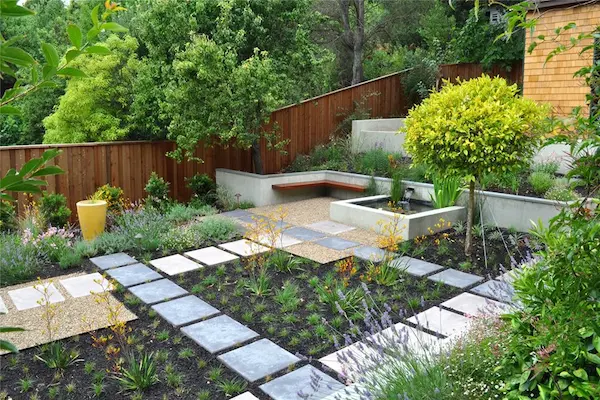
Low maintenance garden ideas by “life pattern,” not just by style
A busy schedule is not the same for everyone, because some people travel, some work long hours, and some have unpredictable weeks, so matching garden design to your life pattern makes more sense than copying a picture.
Choosing your pattern creates clarity, because you can build around your most common limitation rather than your most optimistic plan.
Pattern A: you are home often, but time comes in tiny bursts
- Best fit: container clusters near the door, because short bursts of care become effortless when the garden is within reach.
- Smart add-on: a small herb zone, because harvesting and trimming can happen in two minutes.
- Avoid: far-back beds that require setup time, because you will skip them when you feel tired.
Pattern B: you are away sometimes, and you need forgiveness built in
- Best fit: drought-tolerant perennials with mulch, because resilience matters more than constant bloom.
- Smart add-on: drip or soaker watering, because consistent moisture during absences prevents stress spirals.
- Avoid: high-thirst annual displays, because they often require frequent watering and grooming.
Pattern C: you want “tidy” more than “lush,” because visual calm matters
- Best fit: shrubs and grasses as structure, because tidy structure looks composed even between bloom cycles.
- Smart add-on: groundcovers in repeating blocks, because repetition reads as intentional and reduces weeds.
- Avoid: mixed, chaotic plant collections, because they can feel messy unless you have time to edit.
Monthly care routine for a low maintenance garden
A predictable routine keeps a garden healthy without demanding daily attention, because small monthly actions prevent big seasonal problems from forming.
This plan is designed to be done in short sessions, so you can complete it even in a packed month without feeling like gardening is another job.
The “one hour a month” rhythm, split into four small sessions
Breaking maintenance into micro-sessions works better than marathon days, because you are more likely to follow through when the task feels light.
Each session below can be shortened, and even partial completion still helps, because consistency matters more than perfection.
| Session | What you do | Why it matters | How long it takes |
|---|---|---|---|
| Session 1: Walk and notice | Slow walk, check soil moisture in a few spots, scan leaves for pests or stress | Early detection prevents emergency fixes later | 10–15 minutes |
| Session 2: Weed and edge | Pull small weeds, refresh edges, tidy the border where grass creeps in | Small weeds are quick, and edges keep the whole garden looking tidy | 10–20 minutes |
| Session 3: Mulch and top-up | Fluff mulch, add a thin layer where soil shows, keep mulch off stems | Mulch reduces watering needs and suppresses the next weed wave | 10–20 minutes |
| Session 4: Light prune and support | Remove broken stems, adjust ties, trim only what blocks paths or looks messy | Gentle editing improves airflow and keeps maintenance minimal | 10–15 minutes |
Quick monthly checklist you can screenshot mentally
- Check moisture below the surface, because the root zone tells you whether watering is needed.
- Remove weeds while small, because tiny weeds disappear fast and prevent future overwhelm.
- Refresh mulch coverage, because mulch is your easiest time-saving tool.
- Trim only for access and plant health, because over-pruning creates extra regrowth and extra work.
- Note one simple observation, because patterns become obvious when you track even a little information.
A five-minute “busy week” version that still protects your garden
Some weeks will be chaotic, and that is normal, so having a minimum plan keeps the garden stable without asking you for more than you can give.
This is the routine you use when life is full, because it prevents the common slide from “busy” to “neglected.”
- Touch soil in two places, because overwatering and underwatering are the fastest paths to plant stress.
- Pull five weeds, because five weeds now prevents fifty weeds later.
- Water only what truly needs it, because selective watering protects your time and your plants.
Low maintenance garden ideas you can copy as starter templates
Templates help busy gardeners because you can start with a proven structure, then personalize slowly, rather than trying to design everything from scratch in one weekend.
Adjust plant choices to your climate and light, because the structure is the idea and the specific plant list is the flexible part.
Template 1: the “evergreen backbone” bed for year-round calm
A backbone bed uses a few structural shrubs or grasses, then fills around them with tough perennials and groundcovers, creating a tidy look that does not collapse when flowers fade.
This approach stays attractive through multiple seasons, which suits busy adults who want steady green without constant replanting.
- Structure layer: 3–5 shrubs or large grasses spaced generously, because generous spacing prevents constant trimming.
- Mid layer: repeated clumps of tough perennials, because repetition looks intentional and simplifies care.
- Ground layer: a groundcover or mulch, because covered soil reduces weeding.
- Place structure plants first, because they set the shape and height of the bed.
- Add perennials in repeating groups, because grouped planting reads as designed even in simple layouts.
- Finish with groundcover or mulch, because the bed becomes lower maintenance immediately.
Template 2: the “dry-sun” gravel-style strip for hot edges
Hot, sunny edges near pavement or walls can be frustrating, yet they can become easy when you stop fighting heat and instead use plants that like it.
A mineral mulch look can feel modern and clean, while staying practical because it reduces splashing and keeps the surface tidy.
- Plant type focus: drought-tolerant perennials and grasses, because they handle bright exposures with fewer interventions.
- Visual rhythm: repeat two or three plant types, because repetition is calming and low effort.
- Maintenance goal: occasional weeding and a seasonal tidy, because the system does most of the work.
Template 3: the “shade texture” bed that looks lush without constant blooms
Shade gardens become effortless when you design with foliage, because foliage offers consistent beauty without the demand of frequent deadheading and full-sun feeding schedules.
Texture-based design also looks sophisticated, since layers of leaf shapes create depth even when flowers are minimal.
- Main actors: hosta-like bold leaves, fern-like fine texture, and a few medium foliage plants for contrast.
- Ground plan: mulch plus a shade groundcover, because bare shade soil invites weeds and looks unfinished.
- Care pattern: steady moisture when needed, because many shade plants prefer even conditions.
Template 4: the “kitchen door herb and green” cluster
Putting the garden where you already walk is one of the strongest low-maintenance moves, because convenience turns care into a habit rather than a separate event.
Herbs and tough greens work well here, since quick harvesting keeps plants tidy while giving you a daily reward.
- Choose three to five herbs you actually use, because unused herbs become clutter no matter how pretty they are.
- Put them in larger containers, because larger containers forgive missed watering better than tiny pots.
- Add one structural plant, because a strong shape makes the cluster look designed.
- Mulch the pot surfaces, because surface stability cuts watering swings.
- Low-maintenance win: harvesting replaces pruning, so the plants stay neat naturally.
- Busy-week friendly: one watering spot means one decision, not ten.
Template 5: the “two-bed rule” starter garden for busy beginners
Limiting yourself to two beds is powerful, because a small area maintained well looks better than a large area maintained rarely.
A two-bed setup also keeps plant purchases focused, reducing the temptation to add more work before the system is stable.
- Bed one: structure and low drama perennials, because this bed carries the garden visually.
- Bed two: a flexible “fun bed,” because you can experiment without risking the whole garden’s stability.
- Path priority: make the path comfortable, because easy access is the real secret to consistency.
When plants still struggle, use a simple troubleshooting sequence
Problems feel less stressful when you troubleshoot in order, because random fixes waste time and can make things worse.
A calm sequence keeps you focused on the most likely causes, which are usually light, water, and root health rather than mysterious “bad luck.”
The three-question check that solves most beginner confusion
- Is the light correct for this plant, because energy drives growth and flowering more than almost anything else?
- Is the root zone staying too wet or too dry, because moisture swings create stress that looks like many different symptoms?
- Is the plant crowded or blocked by weeds, because competition and poor airflow often trigger decline?
- Yellow leaves can mean many things, so check soil moisture first before assuming it is a feeding issue.
- Wilting in hot afternoon sun can be temporary, so confirm morning recovery before changing your entire watering routine.
- Spots and damage deserve a closer look, so inspect leaf undersides and stems before using strong treatments.
Closing encouragement: a low maintenance garden is a design choice, not a personality trait
Building a low maintenance garden is not about being naturally good at plants, because it is mostly about choosing systems that keep working when you are busy.
Small smart decisions, like repeating reliable easy care plants, mulching consistently, and grouping by watering needs, create a garden that feels supportive rather than demanding.
Your schedule does not have to change for you to have green around you, because the garden can be designed to meet you where you are.
Aviso: este conteúdo é independente e não possui afiliação, patrocínio ou controle por parte das entidades mencionadas.
This content is independent and has no affiliation, sponsorship, or control over any institutions, platforms, or third parties mentioned.