
Gardening looks gentle from the outside, yet sharp tools, hot sun, awkward posture, hidden insects, and slippery surfaces can turn a peaceful afternoon into a painful lesson if you never learned the basics.
Peace of mind comes quickly when you treat safety like part of the hobby, because a few small habits reduce most risks without making the experience feel strict or complicated.
This guide shares garden safety tips for beginners in a responsible, clear, and practical way, so you can enjoy the work while protecting your hands, your back, your skin, and your attention.
Everything here is meant to be realistic and helpful, and it is not a substitute for professional training or medical advice when a situation is serious, confusing, or urgent.
Garden safety tips for beginners: adopt a calm “risk scan” mindset
Safety gets easier when you stop thinking of it as fear and start thinking of it as awareness, because awareness helps you notice problems early while solutions are still simple.
Most gardening injuries happen during ordinary moments, like rushing, lifting something awkwardly, reaching across a bed, or trimming near your other hand, so a quick risk scan before you begin is a powerful habit.
Better outcomes also come from accepting limits on tired days, since fatigue reduces attention and attention is the real safety tool you carry into every task.
Common beginner risk categories worth noticing
- Hand injuries from thorns, sharp edges, splinters, and unexpected slips while cutting or pulling.
- Tool injuries from dull blades, unstable ladders, damaged cords, and unsafe carrying habits.
- Heat and sun strain from long exposure, dehydration, and “just one more task” thinking.
- Body strain from twisting, kneeling without support, lifting heavy bags, and repetitive motions.
- Irritation from plant sap, fertilizers, compost dust, and insect bites or stings.
A simple mantra can keep you grounded: slow hands, stable feet, clear plan, because slowing down for ten seconds can prevent the kind of mistake that ruins your whole weekend.
Confidence grows when you aim for “safer default choices,” meaning you pick the option that is less risky when you are unsure, even if it takes a little longer.
Garden safety basics: glove use, footwear, and simple protective gear
Clothing is your first layer of protection, and it works best when it matches the job, because pulling weeds requires different protection than pruning shrubs or mixing soil.
Comfort matters because uncomfortable gear gets removed, and removed gear protects you exactly zero percent of the time, so choose items you will actually keep on.
A beginner setup does not need to be expensive, since consistency beats perfection and basic protection covers most everyday risks.
Glove use: how to pick the right glove for the task
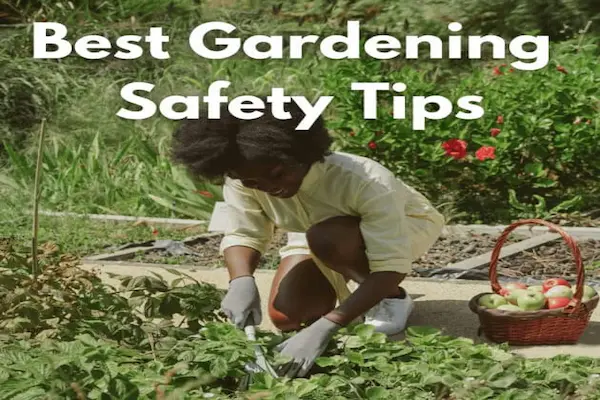
Hands are exposed to cuts, punctures, sap irritation, and hidden insects, which is why glove use is one of the simplest ways to prevent most beginner gardening injuries.
Fit matters because loose gloves reduce grip and increase slips, while overly tight gloves fatigue your hands and tempt you to take them off mid-task.
Material matters because thin gloves help with delicate work, while tougher gloves protect you around thorns, rough wood, and sharp tool edges.
- Lightweight nitrile-coated gloves help with weeding and planting, because they maintain dexterity while adding grip and mild abrasion protection.
- Leather or thorn-resistant gloves help with pruning and brambles, because they reduce punctures and protect wrists more effectively.
- Water-resistant gloves help in wet soil or rainy weather, because cold, wet hands lose sensitivity and grip.
- Long-cuff gloves help around scratchy shrubs, because wrist and forearm protection prevents many small injuries that add up.
- Choose the glove style that matches your highest-risk task for the day, because one “wrong glove” is how people get stabbed by thorns while feeling falsely protected.
- Test grip on your main tool, because a glove that slips on a handle is a glove that invites accidents.
- Keep a backup pair available, because wet or torn gloves often lead to “I’ll just finish without them.”
- Remove gloves carefully after handling irritants, because sap and chemicals can transfer to your face or eyes.
Footwear and leg protection: prevent slips, stabs, and ankle twists
Feet are closer to sharp tools, hidden debris, and uneven ground than most beginners realize, so sturdy footwear reduces risk more than sneakers you do not mind getting dirty.
Traction matters because wet grass, muddy paths, and loose mulch can be surprisingly slippery, especially when you are carrying something heavy or focusing on a task above eye level.
Long pants can also be protective, since scratches, ticks, and plant irritation often start on ankles and lower legs while you kneel and reach.
- Closed-toe shoes reduce puncture risk from sticks, rocks, and tool drops.
- Grippy soles reduce falls on damp surfaces and mulch.
- Stable ankle support helps on slopes, uneven soil, and garden stairs.
- Thick socks reduce blister risk during longer work sessions.
Eye, ear, and breathing protection when the job calls for it
Eye protection is easy to skip, yet tiny flying particles from trimming, digging, or grinding can cause painful injuries quickly, especially when you are pulling stubborn roots or cutting overhead branches.
Hearing protection matters if you use loud equipment, because hearing damage can happen gradually without obvious warning signs, making prevention the smarter path.
Breathing protection can also matter when you handle dusty soil, compost, or fine materials, since dust can irritate airways and trigger coughing or discomfort.
- Safety glasses are helpful during pruning, hedge trimming, and digging in dry soil.
- Hearing protection is helpful for loud power equipment, depending on the tool and duration.
- A dust mask can be helpful when dealing with dusty bags, compost, or dry sweeping tasks.
Tool safety for beginners: habits that prevent the most common accidents
Tools make gardening easier, yet tools also concentrate force, meaning a small slip can become a big injury when blades and leverage are involved.
A safer tool approach focuses on inspection, correct carrying, stable cutting angles, and putting tools down intentionally rather than tossing them into grass.
Tool safety is also about restraint, because using the wrong tool for a job is a classic way to break a tool and hurt yourself in the same motion.
Before you start: a quick inspection that takes under one minute
- Check blades for damage and wobble, because loose parts can shift unexpectedly mid-cut.
- Check handles for cracks, because a cracked handle can snap under pressure.
- Check screws and bolts for tightness, because vibration and repeated use loosen hardware.
- Check corded tools for cord damage, because frayed cords can be dangerous and unreliable.
- Clean sticky sap or mud from grips, because slippery handles create slips and mis-cuts.
Safe carrying and safe placement: stop stepping on tools
Many garden accidents happen when tools are left where feet go, because a rake in grass becomes invisible and a shovel on a path becomes a trip hazard.
Carrying tools with blades down and points away reduces accidental contact, while placing tools in a dedicated “tool zone” prevents surprises when you turn quickly.
A simple tool zone can be a bucket, a stool, or a clear patch of ground, as long as it is consistent and visible.
- Place tools on the same side of your body each time, because consistency reduces forgetful steps backward.
- Avoid placing tools under leaves or mulch, because hidden tools create the worst surprises.
- Never carry sharp tools with a finger through a loop near the blade, because a stumble can drive the blade toward you.
Hand tools: safe cutting, pulling, and digging technique
Hand pruners and loppers are safer when you cut away from your body and away from your other hand, because the most common beginner cut happens when the non-dominant hand becomes the “target” without noticing.
Digging tools are safer when you keep feet stable and avoid twisting, because twisting while pushing down can strain knees and hips in a single careless moment.
Weeding tools are safer when you avoid jerking motions, because sudden release can fling your hand backward into thorns, fences, or tool edges.
- Position the branch and your hands before closing blades, because repositioning mid-squeeze is how fingers get pinched.
- Cut in small stages on thick material, because forcing a cut can cause slipping and loss of control.
- Use controlled pressure when pulling weeds, because slow tension reduces sudden snaps.
- Step on spades and forks with full-foot pressure, because toe-only pressure increases foot strain and slipping.
Power tools: respect the “attention tax” they demand
Power tools reduce labor, yet they also demand higher focus, because speed and vibration reduce your reaction time and increase the consequences of a distraction.
A safer rule is to use power tools only when you can give them your full attention, meaning no multitasking, no phone checking, and no “I’m exhausted but I’ll finish.”
Protective gear matters more with power tools, and setup matters too, because cords, debris, and unstable footing create avoidable hazards.
- Use stable footing before starting, because a shifting stance invites tool drift.
- Keep cords behind you when using corded equipment, because cutting a cord is both frightening and dangerous.
- Clear the work area of rocks and toys, because spinning tools can throw debris fast.
- Stop if you feel rushed, because rushing is the fastest path to careless angles and slips.
Ladders and overhead work: the “slow and stable” category
Overhead work is risky because falling is more harmful than a typical garden cut, and falling becomes more likely when you reach too far or stand on unstable surfaces.
A safer approach keeps the ladder stable, keeps both hands available when climbing, and keeps your body centered rather than leaning sideways to reach “just a little more.”
Professional help can be the smartest choice when the work involves height, heavy branches, or power lines, because the cost of a mistake can be severe.
- Set ladders on firm, level ground, because soft soil can shift under weight.
- Maintain three points of contact when climbing, because stability prevents small slips from becoming falls.
- Move the ladder instead of leaning, because leaning changes your center of gravity fast.
- Keep bystanders away, because falling tools and branches can injure others even if you remain stable.
Posture and body safety: protect your back, knees, and wrists
Gardening can be a full-body workout disguised as a hobby, and beginners often feel sore because their joints are doing repeated motions in unfamiliar angles.
Body safety improves when you warm up briefly, switch tasks before fatigue builds, and choose tools that reduce bending and twisting.
Your goal is not to avoid all soreness, but to avoid the sharp pain and repetitive strain that signals a technique problem rather than normal effort.
A quick warm-up that makes a real difference
Warm muscles and mobile joints handle bending and lifting better, which is why a two-minute warm-up before gardening is a smart habit rather than an athletic luxury.
Gentle movement is enough, since the purpose is simply to wake up your body before you start pushing, pulling, and gripping tools.
- Shoulder rolls and arm circles, because pruning and raking stress shoulders.
- Hip hinges and gentle squats, because bending properly protects the back.
- Wrist circles and hand opening, because gripping tools can fatigue hands quickly.
- Neck turns and posture reset, because looking down for long periods strains the upper back.
Kneeling and bending: reduce joint stress without slowing down
Kneeling directly on hard ground compresses knees and can cause discomfort that lingers, while bending from the waist repeatedly can strain your lower back over time.
A kneeling pad, a garden stool, or alternating positions can reduce pain without reducing productivity, because comfort supports longer, safer attention spans.
Tools with longer handles can also help, because reaching with a tool is often safer than reaching with your spine.
- Use a kneeling pad or cushion, because pressure reduction protects joints immediately.
- Switch sides and positions often, because repetitive stress builds when you stay locked in one angle.
- Hinge at the hips rather than rounding the back, because hip hinging keeps the spine safer under load.
- Bring the work closer using a stool or repositioning, because long reaches strain shoulders and back together.
Lifting and carrying: treat soil, mulch, and pots like “real weight”
Bags of soil and mulch are heavier than they look, and awkward size makes them harder to carry than the weight number suggests, especially when you have to twist through a gate or step over edging.
Safer lifting protects your back by keeping the load close, using legs instead of spine, and avoiding twisting while holding weight.
A wheelbarrow, cart, or smaller loads may feel slower, yet it reduces strain and makes the day more sustainable, which is the real goal for beginners building habits.
- Lift with legs and a straight back angle, because rounded lifting increases back strain.
- Keep loads close to your body, because distance increases leverage and stress.
- Carry smaller portions when possible, because repeated lighter trips beat one risky heavy trip.
- Use a cart or wheelbarrow when available, because rolling weight is safer than carrying weight.
Repetitive motion safety: rotate tasks like a smart gardener
Repetition creates strain, so doing the same movement for an hour can fatigue wrists, elbows, and shoulders more than doing three different movements for twenty minutes each.
Task rotation also keeps attention fresh, which reduces careless tool angles and sloppy posture that show up when your brain gets bored or your hands get tired.
- Alternate between kneeling tasks and standing tasks, because posture variety reduces joint overload.
- Alternate between gripping tasks and looser tasks, because constant gripping fatigues forearms quickly.
- Take short resets, because brief pauses prevent the “I didn’t notice I was hurting” problem.
Sun protection and heat safety: protect skin, eyes, and energy
Sun and heat are sneaky because they build gradually, meaning you can feel fine for an hour and then suddenly feel dizzy, drained, or headache-prone when the body has already lost too much fluid.
Sun protection is also about long-term health, since repeated sun exposure adds up over years even when you do not get visibly burned in a single session.
Planning around heat is not weakness, because smart timing and hydration can let you garden longer with less risk and less misery.
Sun protection basics that are easy to actually follow
- Wear a brimmed hat, because scalp and face get direct exposure for long periods while you look down.
- Use sunglasses, because bright glare can fatigue eyes and reduce awareness of sharp tools and uneven ground.
- Wear breathable long sleeves when possible, because fabric can reduce exposure without constant reapplication of products.
- Use sunscreen as part of your routine, because consistency matters more than “perfect days only.”
- Apply sun protection before you step outside, because early protection is easier than reacting after redness begins.
- Reapply as needed during longer sessions, because protection wears off with sweat, water, and time.
- Choose shade breaks intentionally, because a five-minute cooling pause can prevent a full afternoon crash.
Hydration: build a simple plan that prevents mistakes
Dehydration reduces coordination and focus, which matters for tool safety, because shaky hands and slow reactions increase the chance of slips and mis-cuts.
A beginner-friendly hydration plan is simple and visible, meaning you keep water near you and you drink regularly rather than waiting until thirst becomes loud.
Electrolytes may help for heavy sweating and long sessions, yet the core habit is steady fluid intake and sensible breaks, especially in hot, humid weather.
- Keep a water bottle within reach, because “out of sight” becomes “forgotten.”
- Drink before you feel thirsty, because thirst often lags behind need.
- Take short breaks in shade, because cooling down protects energy and focus.
- Stop sooner on very hot days, because no plant task is worth heat illness.
Know the red flags that mean “stop and cool down”
Heat strain can feel like headache, nausea, dizziness, unusual fatigue, or confusion, and ignoring these signs can be dangerous, so stopping early is the responsible choice.
Medical help should be sought if symptoms are severe, persistent, or worsening, because serious heat-related illness is not something to “push through” with willpower.
If you are gardening with someone else, checking in with each other is smart, because confusion and poor judgment can hide inside heat stress.
Cuts, punctures, and infection prevention: small injuries deserve respect
Gardens contain bacteria, sharp debris, and hidden hazards, so even a small cut can become a bigger problem if it is not cleaned and protected properly.
A calm, prepared approach is best, meaning you keep basic first aid supplies nearby and you know when a wound needs professional evaluation.
Tetanus protection guidance depends on local health recommendations and personal history, so it is wise to follow your healthcare provider’s advice for your situation.
Build a simple garden first aid kit you actually use
- Soap or cleansing wipes, because cleaning reduces infection risk.
- Bandages and gauze, because covering a wound keeps dirt out while you finish safely.
- Antiseptic or wound-care supplies appropriate for you, because fast treatment prevents “I forgot and it got worse.”
- Tweezers, because splinters and thorns are easier to remove early.
- A small wrap or tape, because minor sprains and blisters benefit from support.
Safe behavior after a cut or puncture
- Stop the task and assess calmly, because rushing leads to deeper cuts and worse contamination.
- Clean the wound and remove visible debris, because soil contamination is common in gardens.
- Cover the wound before returning to work, because continuing with an open cut invites irritation and infection.
- Seek professional care when needed, especially for deep punctures, uncontrolled bleeding, or signs of infection.
Plants, insects, and skin irritation: avoid surprises that ruin the day
Plants can scratch, sap can irritate, and insects can bite, so beginner gardeners benefit from simple barrier habits and awareness rather than fear.
Skin reactions vary by person, meaning what feels harmless to one gardener can cause itching or rash in another, so a cautious approach is wise when you are new to certain plants.
Protection can be as basic as gloves, long sleeves, and washing hands before touching your face, because many irritations worsen when transferred to eyes, lips, or broken skin.
Plant irritation basics for beginners
- Wear gloves when handling unknown plants, because sap can irritate sensitive skin.
- Avoid rubbing your face during gardening, because plant oils and soil can irritate eyes and skin.
- Wash hands and forearms after tasks, because early cleanup reduces lingering itch.
- Handle thorny plants with tougher gloves, because repeated small punctures add up quickly.
Insect and tick awareness without panic
Bites and stings are part of outdoor life, yet prevention reduces how often they happen, which is why a few simple habits can make gardening feel safer and more comfortable.
Checking for ticks after gardening is wise in many regions, and avoiding tall weeds around paths can reduce exposure, especially if you garden near wild edges.
Severe allergic reactions can be medical emergencies, so anyone with known allergies should have a plan that matches professional guidance.
- Wear closed shoes and socks, because ankles are a common bite zone.
- Keep paths tidy, because dense weeds create insect hiding places.
- Inspect skin and clothing after gardening in risky areas, because early detection is easier than late discovery.
- Seek professional medical help for severe reactions, because breathing difficulty and swelling require urgent care.
Garden safety basics around fertilizers, compost, and dusty materials
Soil amendments are helpful, yet they can also irritate skin and lungs, especially when dusty, concentrated, or mishandled, so basic handling habits matter.
Safe storage protects children and pets, and careful measuring prevents overuse that can harm plants and create unnecessary exposure for you.
Mixing materials outdoors or in well-ventilated spaces is sensible, because dust and fumes are easier to avoid when air moves freely.
Safer handling and storage habits
- Read product instructions on packaging, because application rates and handling notes exist for a reason.
- Store materials sealed and labeled, because mystery bags invite misuse and exposure.
- Keep products away from kids and pets, because accidental contact is more common than people expect.
- Wash hands after handling, because residue on skin transfers easily to eyes and mouth.
Compost and mulch handling: protect lungs and prevent irritation
Compost can be dusty and can contain irritants, so avoiding deep inhalation of dust is wise, especially when turning dry piles or pouring dry amendments.
Glove use helps here too, because compost can be rough on skin and small cuts can sting when exposed to organic material.
If you notice coughing, throat irritation, or breathing discomfort, stepping back and improving ventilation is a practical response, and professional medical guidance is appropriate when symptoms are significant or persistent.
- Dampen dusty material lightly before handling, because damp dust stays down.
- Work upwind when possible, because wind direction can reduce inhalation.
- Wear breathing protection if you are sensitive, because prevention is easier than recovery.
Garden safety tips for beginners with kids, guests, and pets nearby
Gardening is safer when everyone around you understands the boundaries, because a child running behind you while you swing a tool is an accident waiting to happen.
Pets can chew plants, knock over tools, and step into sharp debris, so planning a safe work zone reduces stress for everyone.
Clear communication is part of safety, meaning you set simple rules before you start and you keep dangerous tools out of reach when you walk away.
Simple safety rules that work in real households
- Create a “tool parking spot,” because tools scattered on the ground become hazards for feet and paws.
- Use a visible boundary for work zones, because a clear line reduces accidental wandering.
- Store sharp tools immediately after use, because “I’ll put it away later” is a common mistake.
- Supervise children near water containers, because small water hazards can still be risky.
Plant awareness for households with pets and curious kids
Some plants can be irritating or unsafe if chewed, so choosing safer plant options and discouraging chewing behavior is sensible, especially for pets that explore with their mouths.
If you are unsure about a plant’s safety for your household, a cautious approach is to place it out of reach or avoid it, because prevention beats urgent problem-solving later.
Professional veterinary or medical guidance is appropriate if ingestion is suspected, because timing can matter in those situations.
When it is better to call a professional instead of DIY
Knowing when to stop is a maturity skill in gardening, because some jobs carry risks that are not worth taking without training, equipment, or insurance.
Professional help can protect your health, your property, and your peace of mind, especially when the task involves height, electricity, heavy machinery, or structural hazards.
Hiring help is not a failure, because it can be the smartest decision you make all season, allowing you to focus on the parts of gardening you enjoy safely.
Tasks that often justify professional support
- Tree work near power lines, because contact risk is severe and specialized.
- Large branch removal overhead, because falling weight and ladder risk combine dangerously.
- Major grading, retaining walls, or heavy excavation, because collapse and equipment risk increases quickly.
- Electrical, irrigation, or gas-line concerns, because hidden infrastructure needs correct handling.
- Severe pest infestations requiring restricted treatments, because safe application can require training and protective equipment.
A quick decision filter before you commit to a risky task
- Ask whether a fall, cut, or shock could happen, because high-consequence risks deserve extra caution.
- Ask whether you have the right equipment and skill, because improvisation is how accidents happen.
- Ask whether fatigue or weather makes it worse, because bad conditions amplify risk.
- Choose professional help when uncertainty is high, because uncertainty is a warning sign, not a challenge to overcome.
Quick safety check before you garden: a simple table to follow
A quick check prevents most beginner mistakes because it forces you to slow down, notice your environment, and set up safely before tools start moving.
Printing this mentally is enough, because the goal is not paperwork, but consistent actions that keep you safe while you learn and enjoy the work.
| Quick check | What to look for | Safer default choice |
|---|---|---|
| Clothing and glove use | Hands exposed, thorny plants, rough materials | Wear task-matched gloves and closed shoes |
| Tool safety | Loose blades, cracked handles, damaged cords | Inspect, tighten, and replace damaged tools |
| Work zone | Clutter, hidden tools, tripping hazards | Clear a tool parking spot and tidy pathways |
| Posture plan | Long kneeling, twisting, heavy lifting | Use pads, rotate tasks, carry smaller loads |
| Sun protection | Long exposure, bright glare, heat buildup | Hat, shade breaks, sunscreen, sunglasses |
| Hydration | Thirst, fatigue, headache risk | Water nearby, drink regularly, stop sooner |
| When to call a professional | Height, power lines, heavy branches, major hazards | Pause and hire help for high-risk tasks |
A 5-minute beginner routine you can do every session
- Set up your tool zone and remove clutter, because predictable placement prevents stepping on sharp edges.
- Put on gloves, stable shoes, and sun protection, because starting protected is easier than remembering later.
- Drink a few sips of water and place the bottle in reach, because hydration supports coordination and patience.
- Choose one task to start and one task to switch to later, because task rotation protects joints and focus.
- Stop and reassess when you feel rushed or tired, because rushed work is where the worst mistakes hide.
Closing thoughts: safety makes gardening more enjoyable, not less
A safer garden routine does not take the joy away, because it replaces anxiety and preventable pain with calm confidence and steady progress.
Your body and your attention are the most important tools you bring outside, so protecting them with garden safety basics, sensible glove use, stable tool safety habits, consistent sun protection, and steady hydration is the practical choice.
Whenever a task feels beyond your skill or beyond safe conditions, calling a professional is a smart boundary that keeps gardening fun for the long term rather than risky in the short term.
This content is independent and has no affiliation, sponsorship, or control over any institutions, platforms, brands, or third parties mentioned.