
Living in an apartment with small windows does not mean you have to give up on greenery, because the right low light plants can still look beautiful with simple care.
What changes is the expectation, since shade tolerant houseplants survive and stay attractive in dimmer rooms, yet they grow slower and demand less water than you might assume.
Best low light indoor plants: what “low light” really means inside a home
Low light indoors usually means the plant cannot “see” much sky, even if the room feels bright to you, because human eyes adapt far better than plant leaves can.
Distance from the window matters more than most beginners expect, because light intensity drops fast as you move into the room, especially when curtains, balconies, or nearby buildings block daylight.
Direction and season also change outcomes, because winter sun angles and shorter days can turn a decent summer spot into a challenging winter corner.
Calling a plant “low light” should be read as “low light tolerant,” because tolerance means it can hold on and look good, not that it will grow quickly or flower heavily.
A quick shadow test you can use without equipment
- Stand where the plant will live around midday, because that is often when natural light peaks in many apartments.
- Hold your hand about a foot above a table and look at the shadow edge, because sharp shadows suggest brighter light while soft blurry shadows suggest dimmer light.
- Repeat the same test on a cloudy day, because many homes shift dramatically between sunny and overcast conditions and plants experience the average.
- Choose plants based on the weaker result, because the “worst normal day” is what determines whether a plant stays stable long term.
Three practical light zones that make placement easier
- Near-window low light means the plant sits close enough to receive daylight but avoids strong direct sun, so growth is slow yet usually steady.
- Mid-room low light means the plant sits several steps from the window with gentle daylight, so only tough shade tolerant houseplants will stay attractive.
- Deep-room low light means the plant sits far from windows or behind obstacles, so survival is possible for a few species but growth will be minimal and care must be cautious.
Best low light indoor plants: realistic expectations that prevent disappointment
Healthy low light plants often grow slowly, because photosynthesis runs on light energy and dim rooms simply provide less fuel for new leaves.
Slower growth changes watering frequency, because plants drink less when they are not actively pushing new growth, which is why overwatering becomes the most common mistake in low maintenance indoor setups.
Variegation can fade in low light, because plants may produce more green pigment to capture limited light, so a “high contrast” plant may become calmer in color over time.
Flowering indoors is less likely for many species, because blooms typically require brighter conditions, so choosing foliage plants often leads to happier outcomes in shade tolerant houseplants.
Success looks like stable leaves, slow but consistent new growth, and a plant that stays tidy without constant intervention, rather than a plant that doubles in size quickly.
Signs your expectations match reality
- New leaves appear gradually, because steady slow growth is normal in low light plants and usually indicates the plant is coping well.
- Leaf color stays consistent, because drastic paling or repeated yellowing often signals a mismatch in light or watering.
- Soil dries slowly but not forever, because a pot that stays wet for long periods usually points to too much water, too heavy soil, or insufficient drainage.
Best low light indoor plants: top picks that actually tolerate dimmer rooms
Choosing the right species is the fastest way to win at indoor plant care in an apartment, because certain plants evolved to handle understory conditions where light is naturally filtered.
Every plant below can handle less light than many popular houseplants, yet each one still benefits from being placed as close to a window as your space allows.
Whenever pets or small children might chew leaves, extra caution helps, because many common houseplants can be irritating or toxic if ingested.
Ultra-tough low light plants for beginners who want low drama
These plants are often the most forgiving in low maintenance indoor routines, because they tolerate slower growth and longer dry spells without punishing you immediately.
- ZZ plant (Zamioculcas zamiifolia) tolerates low light well and prefers drying between waterings, so watering too often is the main risk rather than underwatering.
- Snake plant (Dracaena trifasciata) handles low light and inconsistent routines, while staying upright and tidy, so it suits small apartments where space is limited.
- Cast iron plant (Aspidistra elatior) earns its reputation by staying steady in shade and handling neglect, so it is a great choice for deep-room corners with gentle daylight.
Simple care notes for these ultra-tough choices
- Water only after the soil dries well down, because these plants store moisture and suffer more from soggy roots than from waiting longer.
- Use a pot with drainage holes, because slow-drying rooms plus no drainage is the quickest route to root decline.
- Wipe leaves occasionally, because dusty leaves capture less light, and low light plants already operate with a smaller energy budget.
- Expect slow growth, because stability is the success metric here, not rapid leaf production.
Trailing and climbing low light plants for shelves and hanging spots
Trailing plants are excellent for apartments because they add greenery without taking floor space, while still handling medium to lower light surprisingly well.
- Pothos (Epipremnum aureum) adapts to low light plants conditions by growing slower and greener, while still looking lush when watered correctly.
- Heartleaf philodendron (Philodendron hederaceum) tolerates dimmer rooms and forgives missed waterings, making it a classic shade tolerant houseplant for beginners.
- Satin pothos (Scindapsus pictus) keeps a soft, patterned look in medium light, while still coping with lower light when watering is restrained.
- Arrowhead plant (Syngonium podophyllum) adjusts to a range of indoor light levels, and it can be trained to trail or climb depending on your setup.
How to keep trailing plants full instead of stringy
- Place the pot as close to the window as practical, because low light plants will stretch if the energy supply is too limited.
- Rotate the pot weekly or biweekly, because one-sided light encourages lopsided growth and long bare sections.
- Pinch or trim long vines occasionally, because gentle pruning encourages branching and helps the plant look fuller in a small space.
- Water after the top layer dries, because constantly wet soil weakens roots and makes vines drop leaves from the base.
Upright “cane” plants that cope well with lower light
Cane-style plants add height and structure, which can make an apartment feel more layered and cozy without demanding intense sun.
- Dracaena marginata tolerates medium to lower light and tends to prefer drying between waterings, so it suits busy routines and calmer corners.
- Corn plant (Dracaena fragrans) handles lower light better than many broad-leaf tropicals, while offering a bold, architectural look.
- Lucky bamboo (Dracaena sanderiana) can live in medium to lower light, though growth will be slow and stable placement helps it stay upright.
Care notes that prevent cane plants from declining quietly
- Allow partial drying between waterings, because cane plants often respond poorly to constantly wet soil in low light plants environments.
- Turn the pot regularly, because canes lean toward light and can curve dramatically if ignored for months.
- Watch for soft stems or persistent yellowing, because these signs can point to excess moisture and a need to reduce watering frequency.
- Keep them away from strong drafts, because dry moving air can stress leaves even when the room feels comfortable to you.
Foliage plants that tolerate shade while still looking lush
Some tropical foliage plants handle lower light well, especially when you accept slower growth and focus on stable moisture rather than constant feeding.
- Chinese evergreen (Aglaonema) is widely loved for tolerance and pattern, and it often stays attractive in medium to low light with cautious watering.
- Peace lily (Spathiphyllum) tolerates lower light and communicates thirst through drooping, though blooming is more likely in brighter conditions.
- Parlor palm (Chamaedorea elegans) adapts to indoor light and adds a soft texture, while preferring consistent but not soggy moisture.
- Spider plant (Chlorophytum comosum) often does fine in medium light and can tolerate lower light, though faster growth and more “babies” usually happen with brighter placement.
How to keep these lush foliage plants happy in dimmer rooms
- Water based on soil feel, because low light plants use water slowly and roots suffer when kept wet “just in case.”
- Use a potting mix that drains well, because heavy mixes stay wet too long in apartments with limited airflow.
- Keep leaves clean, because dusty foliage reduces light capture and makes already-limited light even less effective.
- Feed lightly during active growth, because too much fertilizer in low light can create weak growth and salt buildup.
A realistic fern option for lower light, if humidity is reasonable
Ferns can be tricky indoors, yet one common option can work when you provide steadier moisture and avoid harsh sun.
- Bird’s nest fern (Asplenium nidus) tolerates medium to lower light, prefers even moisture, and appreciates gentler air compared with very dry heated rooms.
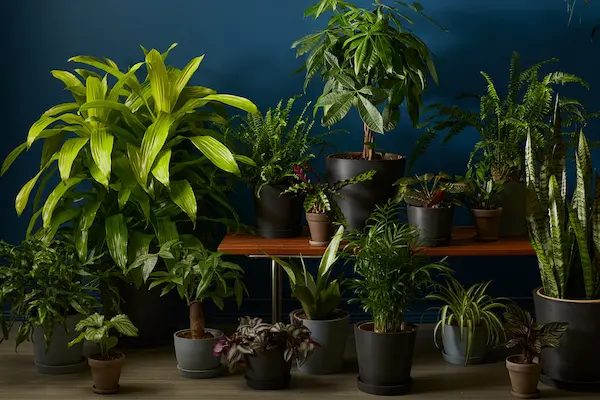
Low light plants: placement tips that squeeze the most out of small windows
Placement is where you win or lose with shade tolerant houseplants, because moving a plant one meter closer to the window can matter more than any product you buy.
Small improvements compound over time, because low light plants respond gradually and reward consistency rather than constant tinkering.
Practical positioning rules for apartments
- Place the most light-hungry “low light plants” closest to the window, because tolerance is a spectrum and some plants still need decent brightness to look full.
- Use vertical space near windows, because shelves and plant stands can bring plants into brighter air without changing your furniture layout.
- Pull plants out of deep corners, because corners often receive light from fewer directions and can feel dim even in otherwise bright rooms.
- Keep leaves from touching cold window glass at night in winter, because chilling can stress foliage and confuse watering behavior.
- Open blinds during the day when possible, because even mild daylight exposure beats the same plant living behind a closed barrier.
Micro-moves that improve light without rearranging your life
- Rotate pots regularly, because even light distribution reduces leaning, keeps growth balanced, and helps leaves develop more evenly.
- Clean the window glass, because a surprisingly small layer of grime can reduce usable light over time.
- Choose lighter wall colors near plant zones when possible, because reflective surfaces can bounce a little extra light onto leaves.
- Move plants seasonally, because winter often requires “closer to the window” placement while summer may allow a step back from intense sun.
Low maintenance indoor care: watering in low light without root rot
Watering becomes simpler when you remember that low light slows water use, so the soil should dry more between waterings than it would in bright conditions.
Overwatering is rarely about the amount in one moment, because it is usually about frequency that never allows air back into the root zone.
A calm testing routine prevents both extremes, because you learn to water when the plant is actually ready rather than when anxiety shows up.
The three-step low light watering decision
- Check soil moisture with a finger a few centimeters down, because the surface can look dry while the root zone stays wet.
- Lift the pot if you can, because weight changes are a fast and reliable signal once you learn what “dry” feels like for that container.
- Look at the plant’s posture and leaf firmness, because droop paired with dry soil suggests thirst while droop paired with wet soil suggests root stress.
Watering rules that work for most shade tolerant houseplants
- Water thoroughly until drainage runs, because complete watering is healthier than tiny sips that keep the top layer constantly damp.
- Empty saucers after draining, because standing water keeps roots wet and reduces oxygen, which is the quiet beginning of many indoor plant failures.
- Reduce watering further in winter, because shorter days slow growth and the plant’s “water budget” shrinks.
- Pause and reassess if the pot stays wet too long, because slow drying can signal heavy soil, a too-large pot, low light, or poor airflow.
Pot choice and drainage: the hidden key to low light plant success
Drainage is a protective system for beginners, because it gives you a safety margin when the room dries slowly and the plant uses water slowly.
Soil and pot size influence drying speed, which means the same watering habit can be safe in one pot and dangerous in another.
Beginner-safe pot guidelines
- Choose pots with drainage holes whenever possible, because no technique replaces a reliable exit for excess water.
- Move up only one pot size when repotting, because a big jump adds a large volume of wet soil that roots cannot use quickly.
- Use nursery pots inside decorative cachepots if you prefer style, because you can remove the plant to water and let it drain fully.
- Avoid “rocks at the bottom” as a drainage strategy, because it reduces soil volume and does not reliably prevent waterlogging in typical indoor setups.
Soil texture that suits low maintenance indoor routines
A mix that drains well yet holds some moisture is ideal, because low light plants need enough water to function but enough air to keep roots healthy.
If soil feels dense and stays wet for many days, a lighter mix and better drainage often solve more problems than extra fertilizer ever could.
Best low light indoor plants: warning signs your plant is struggling
Low light stress usually shows up slowly, which is why learning the early signs helps you correct course before leaves drop dramatically.
Watering stress can mimic light stress, so pairing symptoms with soil checks prevents you from treating the wrong cause.
Signs of too little light, even for low light plants
- Leggy growth with long gaps between leaves suggests stretching, because the plant is trying to reach a stronger light source.
- Smaller new leaves over time suggest energy shortage, because the plant is conserving resources under dim conditions.
- Leaning strongly toward the window suggests imbalance, because one-sided light encourages asymmetric growth.
- Variegation fading suggests adaptation, because extra green pigment helps the plant capture limited light.
Signs of too much water in low light conditions
- Persistent yellow leaves with wet soil suggest excess moisture, because roots struggle when oxygen is displaced by water.
- Soft stems or mushy leaf bases suggest root issues, because long-term wetness can weaken tissues.
- Fungus gnats appearing repeatedly suggest consistently damp soil, because larvae thrive in wet organic material.
- Drooping that does not improve after soil dries slightly suggests root stress, because damaged roots cannot move water efficiently.
Quick fixes matched to common symptoms
- When growth becomes leggy, move the plant closer to the window and rotate regularly, because improved light and balanced exposure reduce stretching.
- When leaves yellow with wet soil, pause watering and check drainage, because drying and oxygen are the immediate needs rather than more water or more fertilizer.
- When leaf tips brown, stabilize your watering rhythm and check for salt crust, because inconsistent moisture and mineral buildup often show up at edges first.
- When leaves drop suddenly, review drafts and temperature swings, because stress from vents, cold glass, or heat blasts can trigger shedding even if watering seems fine.
Rotation strategy: an easy habit that makes low light plants look better
Rotation is a simple tool that prevents lopsided growth, because plants naturally lean toward the strongest light and will reshape themselves slowly if you let them.
Most apartment plant collections improve noticeably when rotation becomes routine, because leaf distribution and stem posture stay more balanced.
A beginner-friendly rotation schedule
- Rotate fast growers like pothos and philodendron every 7 to 10 days, because their vines respond quickly to directional light.
- Rotate cane plants like dracaena every 10 to 14 days, because slow steady adjustments prevent dramatic curves.
- Rotate tough slow growers like ZZ and snake plant every 2 to 4 weeks, because stability matters more than frequent movement.
The “two-minute Sunday reset” that keeps you consistent
- Turn each pot a quarter turn, because small moves are enough to balance growth without creating stress.
- Wipe a few leaves if dusty, because cleaner leaves use limited light more effectively.
- Check saucers for standing water, because hidden puddles can quietly undo your best intentions.
- Note any leaning or pale growth, because quick observations guide placement tweaks without overthinking.
Simple care calendar for low light indoor plants in apartments
A calendar helps when it stays flexible, because plants respond to conditions rather than dates and your home changes with seasons.
Using “checkpoints” instead of rigid schedules keeps care realistic, especially in low maintenance indoor routines.
Weekly, monthly, and seasonal checkpoints
| Timeframe | What to Check | What to Do | Why It Helps |
|---|---|---|---|
| Weekly | Soil feel and pot weight | Water only if soil tests say yes | Prevents overwatering in slow-drying rooms |
| Weekly | Leaf posture and leaning | Rotate pots a quarter turn | Keeps growth balanced toward limited light |
| Monthly | Dust and leaf cleanliness | Wipe leaves gently | Improves light capture without changing placement |
| Monthly | Drainage and saucers | Clear blocked holes and remove standing water | Protects roots from oxygen loss |
| Seasonal | Window light changes | Move plants closer in winter, adjust back in summer | Matches slower or faster growth cycles |
| Seasonal | Growth rate and color | Feed lightly only during active growth | Avoids forcing weak growth in low light |
Common mistakes with shade tolerant houseplants, and how to avoid them
Most failures with low light plants come from care that is too frequent, too reactive, or based on bright-light advice that does not fit an apartment reality.
Fixing these patterns is usually easier than buying new plants, because the solution is often a small habit change rather than a dramatic overhaul.
Mistake: placing “low light” plants far from any window
- Even tolerant plants need some daylight, so placing them near a window usually improves leaf density, color stability, and overall resilience.
- Deep-room placement can work for a few tough species, yet growth will be minimal and watering must be extra conservative.
Mistake: watering on a schedule instead of checking soil
- Calendars ignore season and temperature, so soil tests are the safer guide in low maintenance indoor settings.
- Low light slows water use, so the same weekly watering habit can become too much when winter arrives or when curtains stay closed.
Mistake: choosing highly variegated plants for very dim rooms
- Variegation often needs brighter conditions, so simpler greener varieties usually perform better when windows are small.
- Fading patterns are not always failure, because the plant may be adapting to survive with the light it has.
Mistake: using heavy soil in a slow-drying apartment
- Dense mixes hold water too long, so drainage-friendly soil and pots with holes usually prevent the slow decline that beginners find mysterious.
- Repotting into an airy mix can be a reset, yet reducing watering after repotting is important because fresh soil often holds more moisture at first.
Best low light indoor plants: a realistic “choose your plant” checklist
Choosing the right plant is easier when you match it to your window situation and your watering style, because compatibility prevents the cycle of repeated losses.
Use this checklist before you buy or bring home a plant
- Identify your brightest available spot first, because the best placement option should guide the plant choice rather than the other way around.
- Choose tougher plants for deeper low light, because not every “low light plant” can handle the same level of dimness.
- Pick a pot setup with drainage, because a safe pot protects you while you learn watering cues.
- Avoid plants that look already stressed, because a weak plant plus low light creates a harder recovery path.
- Plan a rotation habit, because balanced exposure keeps plants looking fuller and more intentional.
Putting it all together: a calm, realistic path to a greener apartment
Start with one or two truly tolerant low light plants, because early wins build confidence faster than a crowded collection you cannot observe properly.
Place them as close to your best window as your space allows, because “tolerant” still benefits from brighter exposure and steadier energy.
Water only when soil checks say yes, because low light conditions slow drying and roots need air as much as they need moisture.
Rotate routinely and keep leaves clean, because small maintenance actions help plants use limited light efficiently and stay balanced visually.
Most importantly, judge success by stability and gentle growth, because that is what thriving looks like when sunlight is limited and expectations are realistic.