
Starting a garden doesn’t require a shed full of gear.
It requires a small set of tools that match the jobs you’ll actually do.
If you’re a beginner who doesn’t want to spend much, this guide is built for you.
You’ll get a lean, realistic kit, plus simple safety, storage, and maintenance habits that make cheap tools last longer.
Notice: this content is independent and has no affiliation, sponsorship, or control by any brands, nurseries, retailers, or platforms mentioned.
Tool availability, quality, and pricing vary by location and season, so use this as practical guidance rather than a guarantee.
Basic gardening tools list: the minimalist rule that saves money
Think of gardening tools like kitchen tools.
You don’t need ten knives to cook dinner, but you do need one that actually cuts.
A beginner tool kit should cover the core motions you’ll repeat all season.
Those motions are digging, planting, loosening soil, trimming, watering, and cleaning up.
What “minimum” really means for beginners
The minimum does not mean “the cheapest set with the most pieces.”
The minimum means “the fewest tools that do the most jobs safely.”
If one tool can do three tasks well, it beats three flimsy tools that do one task badly.
This mindset keeps your budget focused on usefulness, not clutter.
How to avoid overspending in the tool aisle
Tool aisles are designed to make you imagine a future version of yourself with a perfect garden.
Your wallet deserves tools for your current garden, not your fantasy garden.
Buy tools in the order you’ll use them.
If you do containers on a balcony, you can skip many “big yard” tools for now.
How to pick essential garden tools by the job
A reliable way to shop is to match tools to jobs, not to labels like “professional” or “deluxe.”
When you match the job, you naturally buy less and use more.
The five beginner jobs your tools must handle
- Planting and potting.You need a tool that scoops soil and makes a hole without bending your fingers backward.
- Loosening soil and mixing.You need a tool that breaks up crusty soil and blends compost without destroying roots.
- Weeding.You need a tool that grabs weeds at the base, not one that only cuts the leaves off like a bad haircut.
- Trimming and harvesting.You need sharp cutting tools that make clean cuts, because clean cuts heal better for plants.
- Watering and cleanup.You need a controlled way to water, and a simple way to rinse and put tools away without rust.
One shopping trick: “Does this replace something else?”
Before you buy anything, ask one question.
“Does this tool replace another tool I already planned to buy?”
If the answer is no, it’s probably a “nice-to-have,” not a starter essential.
You can always upgrade later when your habits prove you’ll use it.
Basic gardening tools list: the lean beginner tool kit
This is the core kit that covers most simple gardening, especially containers, raised beds, and small yards.
You can build it gradually, but it helps to see the full picture first.
1) Gardening gloves
Gloves are your first safety tool, not an accessory.
They protect your skin from thorns, splinters, rough pots, and irritated soil.
- Best for: weeding, handling soil, carrying bags, pruning scratchy plants.
- What to look for: a snug fit, grippy palms, and enough flexibility to pick up small items.
- Budget tip: one durable pair is better than three thin pairs that rip immediately.
- Care: let them dry fully after use, because damp gloves grow smells fast.
2) Hand trowel
A hand trowel is the workhorse of container gardening.
It scoops soil, digs planting holes, and helps you transplant without tearing roots apart.
- Best for: potting mix, planting seedlings, adding compost, filling gaps in soil.
- What to look for: a solid metal blade and a handle that feels comfortable when you squeeze it.
- Budget tip: avoid ultra-thin blades that bend like a spoon in ice cream.
- Care: rinse soil off, dry it, and store it out of rain to prevent rust.
3) Hand pruners
If you buy only one cutting tool, make it a good pair of hand pruners.
Sharp pruners improve plant health because they make clean cuts instead of crushing stems.
- Best for: trimming herbs, deadheading flowers, cutting small branches, harvesting peppers and tomatoes.
- What to look for: “bypass” pruners for live stems, plus a safety lock that is easy to use.
- Safety habit: cut away from your body, and keep fingers out of the cutting path.
- Care: wipe blades after use, and disinfect between plants if you suspect disease.
4) Hand fork or cultivator
A hand fork is the gentle blender of the garden.
It loosens compact soil and mixes compost without the aggressive “shovel churn” that damages roots in small spaces.
- Best for: loosening potting mix, breaking up crusty topsoil, blending fertilizer or compost.
- What to look for: sturdy tines that don’t bend under pressure.
- Budget tip: this tool does more than it seems, so it’s a smart early purchase.
- Care: rinse and dry, and occasionally scrub between tines where soil hides.
5) Hand weeder or narrow weeding tool
Weeds are easiest when they’re small, and a weeder helps you remove the root instead of just the top.
Think of it like pulling a thread out of fabric instead of snipping the surface fuzz.
- Best for: container weeds, cracks near edges, tight spots between plants.
- What to look for: a narrow tip you can wedge under the weed base.
- Safety habit: wear gloves, because weed pulling often reveals sharp stones and hidden thorns.
- Care: keep the tip clean, because dried mud makes it harder to slide under roots.
6) Watering can or hose nozzle
Watering is not just about volume, it’s about control.
A controlled pour prevents soil erosion, fungus problems, and water waste.
- Best for: consistent watering, seedlings, containers that dry quickly, balcony gardens.
- What to look for: a can with a comfortable handle, or a nozzle with adjustable spray settings.
- Budget tip: choose based on your space, because the “right” tool is the one you’ll actually use daily.
- Care: empty standing water, because it can smell and attract pests.
7) Bucket or tote
A bucket is your garden’s “hands-free helper.”
It carries soil, holds weeds, transports tools, and saves you from making ten tiny trips.
- Best for: cleanup, mixing potting mix, carrying compost, soaking tools for washing.
- What to look for: a sturdy handle and enough size to be useful without being awkward to carry.
- Budget tip: a basic hardware-store bucket often beats specialty garden bins.
- Care: rinse it out, and let it dry upside down to prevent stale water smell.
8) A simple cleaning brush or old rag
Cleaning sounds boring, but it’s the secret to tools lasting longer.
A quick scrub removes wet soil that causes rust and spreads problems between pots.
- Best for: removing soil from pruners, trowels, forks, and pot rims.
- What to look for: anything you will actually use consistently, even an old dish brush.
- Budget tip: reuse what you already own before buying “garden cleaning kits.”
- Care: wash it occasionally, and let it dry fully to avoid mildew.
Optional upgrades that still stay budget-friendly
These are not required for day one.
They become worth it when you notice a repeated annoyance that they solve.
Hori-hori or soil knife
A soil knife can replace a trowel for many tasks and adds cutting ability for roots and tough weeds.
If you like multipurpose tools, this is a strong “upgrade later” option.
Kneeling pad
A kneeling pad protects your knees and makes weeding less miserable.
Comfort is not luxury if it keeps you gardening consistently.
Small hand saw
If you have shrubs or thicker stems, pruners may not be enough.
A small hand saw is safer than forcing pruners through wood that is too thick.
Plant ties and simple clips
Support is a tool, even if it’s not metal.
A few ties help tomatoes, peppers, and vining plants stay upright and healthier.
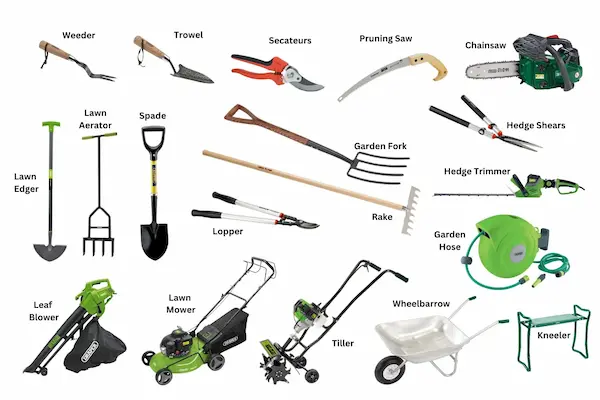
Small garden equipment for apartments and balconies
If your garden is mostly containers, you can keep the kit even leaner.
Your biggest challenges are weight, watering, and storage space.
Container-friendly essentials that cost little
- Saucers or trays.They protect floors and balconies from stains and help you see drainage issues quickly.
- A small scoop or repurposed cup.It makes potting mix less messy than free-pouring from a big bag.
- A spray bottle.It helps with misting seedlings, rinsing dust, and lightly wetting soil surfaces without flooding them.
- Compact storage hooks or a small tote.This keeps tools from becoming “that pile” you trip over every weekend.
A realistic warning about “mini tool sets”
Many tiny sets look cute and feel cheap, but some bend easily in real soil.
If you choose mini tools, prioritize thicker metal and comfortable grips over the number of pieces.
Essential garden tools: how to use each tool the right way
Using tools correctly is part of saving money, because misuse breaks tools fast.
It also protects your hands, your back, and your plants.
How to use a trowel without stressing your wrist
- Hold the handle like you’re shaking hands, not like you’re trying to crush it.
- Use your arm and shoulder to push into soil, not only your wrist.
- If soil is rock-hard, loosen it first with a hand fork instead of forcing the trowel.
- When transplanting, dig a wide hole, because roots prefer space over depth in containers.
How to prune without harming the plant
- Find the exact stem you want to cut, and visualize the shape you want afterward.
- Make one clean cut instead of chewing the stem with multiple half-cuts.
- Avoid tearing stems, because ragged cuts are slower to heal.
- If the stem is too thick, switch tools instead of forcing pruners.
How to weed so it stays weeded
- Weed after watering or rain if possible, because moist soil releases roots more easily.
- Slide the weeder under the base of the weed, right where it meets the soil.
- Lift gently while pulling, aiming to remove the root in one piece.
- Collect weeds in a bucket immediately so they do not drop seeds back into your pots.
Beginner tool kit safety: small habits that prevent big problems
Gardening looks calm, but small accidents are common when tools are sharp and hands are tired.
Safety does not need to be complicated to be effective.
Blade safety for pruners and knives
- Close and lock blades the moment you finish cutting.
- Never leave pruners open in a potting area where you might grab them blindly.
- Cut away from your body, and keep your non-cutting hand behind the blade line.
- Store sharp tools out of reach of children and pets.
Protecting your back in small gardens
- Keep soil bags smaller when possible, because one heavy lift can ruin the weekend.
- Use a bucket to move soil in smaller loads rather than carrying a full bag across a patio.
- Bring the work up to you, like using a table for potting instead of hunching over the ground.
Basic hygiene and plant health
Tools can carry sap, soil, and sometimes plant diseases from one pot to another.
A quick wipe-down is simple insurance for plant health.
- Wipe pruner blades after sticky plants, because sap can cause gumming and rust.
- If a plant looks diseased, disinfect cutting tools before using them on another plant.
- Wash hands after gardening, especially before touching your face or food.
How to store tools in tiny spaces and keep them rust-free
Storage is where beginners accidentally waste money.
When tools get lost, rusty, or left outdoors, you end up re-buying the same items.
The “two-minute reset” after every session
- Knock off clumps of soil, because wet soil is a rust sponge.
- Rinse tools quickly if needed, but do not put them away wet.
- Dry with a rag, even a quick wipe, because dryness matters more than perfection.
- Put everything back in the same place, because consistency prevents missing tools later.
Simple storage ideas for apartments
- A bucket organizer system.Keep tools inside one bucket, and you can carry your whole kit in one trip.
- Hooks on a wall or balcony rail.Hanging tools keeps metal dry and frees floor space.
- A small plastic bin with a lid.A lidded bin protects tools from humidity and surprise rain on balconies.
- A towel-lined tray.If you store indoors, a tray prevents soil crumbs from spreading across your floor.
Monthly maintenance that makes cheap tools last longer
You do not need fancy products to maintain tools.
You need consistency and a few simple actions.
- Sharpen pruners occasionally.Sharp blades cut cleanly and safely, while dull blades slip and crush stems.
- Oil metal lightly.A small amount of oil reduces rust and helps pruners open and close smoothly.
- Tighten loose screws.Wobbly handles make cutting harder and increase accident risk.
- Inspect handles.Cracks and splinters get worse with use, so address them before they hurt your hands.
Common mistakes when buying a basic gardening tools list
Most beginner mistakes are completely understandable.
They happen because tool marketing is louder than practical advice.
Mistake 1: Buying the biggest “starter set” instead of the right few tools
A big set often includes duplicates and weak versions of essentials.
You end up paying for quantity and replacing quality later.
Mistake 2: Choosing tools that feel uncomfortable in your hand
Comfort matters because it affects control.
If a handle hurts, you will rush, and rushed gardening causes mistakes and injuries.
Mistake 3: Ignoring tool materials and thickness
Thin metal bends, and bent tools make every job harder.
A slightly sturdier trowel can outlast several cheap ones, which is the real budget win.
Mistake 4: Not budgeting for storage and cleaning
A small hook, bin, or bucket is part of the tool plan.
Without a “home base,” tools disappear, rust, and clutter your space.
A realistic, budget-friendly buying order for beginners
If you want to spread out costs, buy tools in a sequence that matches real use.
This order builds a functional kit fast without wasting money.
- Start with gloves and a hand trowel, because you will touch soil immediately.
- Add hand pruners next, because cutting and harvesting show up sooner than you expect.
- Add a watering can or nozzle, because consistent watering is the biggest success factor in containers.
- Add a hand fork, because it improves soil texture and makes planting easier over time.
- Add a hand weeder, because weeds appear as soon as you have soil and sun.
- Add a bucket and cleaning rag, because cleanup is what keeps your kit from falling apart.
- Upgrade later with comfort items like a kneeling pad when you notice physical strain.
Quick reference: essential garden tools checklist
Use this as your “shop once, cry never” checklist.
If you own these, you can do simple gardening confidently.
- Gloves for protection and grip.
- Hand trowel for planting and scooping soil.
- Bypass pruners for clean cuts and harvesting.
- Hand fork for loosening and mixing soil.
- Hand weeder for removing weeds at the root.
- Watering can or nozzle for controlled watering.
- Bucket or tote for carrying, mixing, and cleanup.
- Brush or rag for quick cleaning and longer tool life.
Wrap-up: a small kit is not a limitation, it’s an advantage
A lean beginner tool kit keeps you focused on learning plants, not managing gear.
It also makes gardening easier to start, easier to clean up, and easier to maintain as a habit.
Build your basic gardening tools list around the jobs you’ll repeat, keep tools clean and dry, and upgrade only when a real need appears.
That’s how you garden simply, spend less, and still feel like you know exactly what you’re doing.