
Easy vegetables to grow are not the ones that look perfect online, because “easy” really means they match your light, your time, and your attention span on busy days.
This practical guide helps you choose crops that forgive mistakes, grow fast in small spaces, and deliver real harvests without demanding a full-time gardener schedule.
Notice: This content is independent and has no affiliation, sponsorship, or control by any entities mentioned.
Easy vegetables to grow: what “easy” actually means when you have little time and space
In real life, the easiest vegetables are the ones that keep growing even when watering is not perfectly timed and even when the weather does not behave politely.
For small homes, “easy” also means compact roots, manageable height, and a harvest style that lets you pick a little often instead of waiting for one huge moment.
Reliability matters more than novelty, so beginner success often comes from familiar greens and fast crops that finish before problems have time to snowball.
Confidence builds quickly when you choose vegetables that give feedback fast, because quick feedback teaches you what light and moisture feel like in your exact spot.
The four traits that make a vegetable beginner-friendly
- Fast payoff: A crop that can be harvested in roughly 20–45 days keeps motivation high and prevents the “I forgot about it” spiral.
- Flexible harvest: Cut-and-come-again greens let you harvest leaves repeatedly, which feels rewarding even when you only have a pot on a balcony.
- Forgiving roots: Plants that tolerate slight dryness or slight overwatering reduce stress while you learn the difference between “moist” and “soggy.”
- Simple space needs: Vegetables that thrive in 6–10 inches of soil or a modest raised bed make starting possible without redesigning your whole home.
Realistic expectations help, because “easy vegetables” still need basics like light and drainage, yet they are far less likely to punish you for minor beginner wobble.
Before the beginner vegetables list: the simple sun and water rules that prevent most failures
Vegetables are not complicated, yet they are honest, which means weak light or inconsistent watering will show up quickly even if the seed packet sounded optimistic.
Better results arrive when you treat sun and water like non-negotiable foundations, because fertilizer and fancy soil cannot compensate for a plant that cannot photosynthesize enough.
Sunlight in plain terms, so you can choose vegetables that actually fit your space
Full sun usually means about 6–8 hours of direct sun, and fruiting crops like tomatoes, cucumbers, and zucchini generally perform best in that range.
Partial sun often means around 3–5 hours of direct sun, and many leafy greens can still produce reliably with that amount, especially in warm climates.
Bright shade can grow some greens, yet harvests will be slower and leaves may be thinner, so choosing fast greens becomes even more important in low-light spots.
- If your space gets strong morning sun: Leafy greens often stay tender longer, because intense afternoon heat is reduced.
- When your balcony is hot in late afternoon: Heat can trigger bolting in greens, so shade cloth or moving pots slightly can protect harvest quality.
- For a sunny windowsill: Herbs often cope better than vegetables, yet microgreens and baby greens can still be satisfying if you manage expectations.
Watering basics that keep low maintenance crops truly low maintenance
Even moisture is the goal, because vegetables generally dislike extreme swings between bone-dry soil and suddenly flooded soil that pushes air out of the root zone.
Deep watering works better than frequent sips, since a thorough soak encourages roots to explore the pot and reduces the chance of dry pockets forming inside the mix.
Drainage holes are essential in containers, because water trapped at the bottom creates the conditions that lead to root rot and slow, mysterious decline.
- Mulch helps: A thin layer of straw or shredded leaves can reduce evaporation, keeping pots stable when you miss a watering day.
- Self-watering planters help: A reservoir can buffer moisture swings, especially for leafy greens, while still requiring you to check levels realistically.
- Heat changes everything: On windy, hot days containers can dry rapidly, so checking moisture becomes more important than following a calendar.
Easy vegetables to grow fast: the quick-harvest group you can start this week
Fast vegetables are beginner gold, because they reward you before boredom, pests, or weather have enough time to create a complicated story.
Quick harvest crops also fit small spaces well, since many are harvested as leaves or small roots, which means they do not need months of perfect care.
Radishes
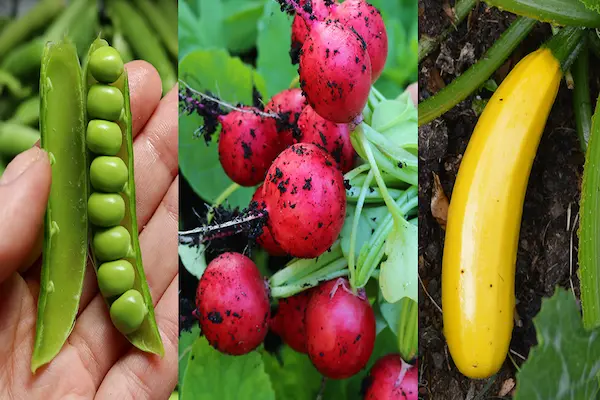
Radishes are famous for speed, and many varieties are ready in roughly 25–35 days, which makes them ideal when you want proof that you can grow food.
- Average time to harvest: Often about 25–35 days for small round radishes, while larger types can take longer depending on variety and temperature.
- Sun needs: Full sun to partial sun, with partial sun often working well in hot climates where intense heat can make roots woody.
- Water needs: Consistent moisture prevents cracking and keeps texture crisp, while drought followed by heavy watering can create split roots.
- Container depth: Around 6–8 inches is usually enough for round types, making them easy for bowls and balcony planters.
- Why they feel easy: Fast growth shows you quickly whether your light and watering rhythm are working in that spot.
One common beginner mistake is waiting too long to pull them, because radishes can turn pithy and spicy when left past their prime in warm conditions.
Arugula
Arugula grows quickly and can be harvested young for tender leaves in roughly 20–40 days, depending on whether you cut baby leaves or wait for larger ones.
- Average time to harvest: Baby leaves can be ready around 20–30 days, while larger leaves often take closer to 30–45 days.
- Sun needs: Partial sun to full sun, with some midday shade helping in warm climates to slow bolting.
- Water needs: Steady moisture keeps leaves mild and prevents stress, while dry soil can speed up bolting and bitterness.
- Container depth: Around 6–8 inches typically works, since arugula roots are not deep like carrots.
- Why it feels easy: Cut-and-come-again harvesting gives repeated wins, which is perfect when time and space are limited.
Bolting can happen in heat, so staggered sowing every week or two often keeps a steady supply rather than one short burst followed by flowers.
Leaf lettuce
Leaf lettuce is one of the most satisfying beginner crops, because you can harvest outer leaves and keep the plant growing for weeks without needing perfect timing.
- Average time to harvest: Baby leaves can be ready around 25–35 days, while full-size leaf harvests often fall around 45–60 days.
- Sun needs: Partial sun to full sun, with morning sun and afternoon shade often producing sweeter leaves in hot weather.
- Water needs: Even moisture prevents bitterness and wilting, while dry cycles can create tough leaves and slow growth.
- Container depth: Around 6–10 inches is usually comfortable, especially when growing multiple plants close together for leaf harvest.
- Why it feels easy: Harvesting a few leaves at a time makes the plant feel generous, even if you have only a single pot.
Heat is the biggest enemy, so growing lettuce in the cooler part of your season or giving a bit of shade can dramatically extend your harvest window.
Spinach
Spinach can be wonderfully simple in cooler conditions, because it thrives when temperatures are mild and it rewards you with nutrient-dense leaves relatively quickly.
- Average time to harvest: Many spinach types reach baby-leaf harvest around 25–40 days, while fuller harvests often take around 40–55 days.
- Sun needs: Partial sun to full sun, with partial sun often helping in warmer climates to slow bolting.
- Water needs: Consistent moisture supports tender leaves, while dryness can trigger stress and bitter flavor.
- Container depth: Around 6–10 inches usually works, since spinach roots are moderate and appreciate steady moisture.
- Why it feels easy: Leaves can be harvested repeatedly, so one planting can feed several small meals instead of one single harvest.
Warm weather can push spinach to bolt, so choosing a cooler season window often turns spinach from “hard” to “shockingly easy.”
Baby bok choy
Baby bok choy gives a fast, satisfying harvest and often reaches a small, tender size in roughly 30–45 days, which feels magical when you are new to gardening.
- Average time to harvest: Many baby types fall around 30–45 days, while larger heads can take longer depending on variety and spacing.
- Sun needs: Partial sun to full sun, with some shade helping in warm weather to reduce stress.
- Water needs: Steady moisture supports crisp stems, while irregular watering can cause tough texture and uneven growth.
- Container depth: Around 8–10 inches provides comfortable root space, especially if you want slightly larger plants.
- Why it feels easy: Quick growth and clear sizing goals make it easy to decide when to harvest without overthinking.
Spacing matters more than beginners expect, so thinning seedlings early often prevents tiny, crowded plants that never size up properly.
Mustard greens
Mustard greens offer fast leaf production and strong flavor, and they usually grow well in containers when you harvest leaves young and often.
- Average time to harvest: Baby leaf harvests often start around 20–30 days, while larger leaf harvests may take around 35–50 days.
- Sun needs: Partial sun to full sun, with shade helpful in hot spells to slow bolting.
- Water needs: Regular moisture keeps leaves tender, while stress can increase bitterness and speed flowering.
- Container depth: Around 6–10 inches is typically sufficient for leaf-focused harvest.
- Why it feels easy: Strong plants tolerate minor mistakes, and harvesting young leaves keeps quality high even in imperfect conditions.
Flavor becomes hotter as plants age, so frequent small harvests are a simple strategy for keeping mustard greens enjoyable.
Green onions
Green onions are friendly for beginners because they tolerate tight spaces, regrow after cutting, and fit neatly along the edge of almost any pot or raised bed.
- Average time to harvest: Many are ready for thin scallion harvest around 60–90 days from seed, while regrowth after cutting can be much faster.
- Sun needs: Full sun to partial sun, with reasonable tolerance for slightly lower light compared with fruiting crops.
- Water needs: Moderate and consistent moisture keeps growth steady, while severe dryness slows regrowth after harvesting.
- Container depth: Around 6–8 inches works for scallions, making them perfect companions in mixed planters.
- Why it feels easy: Continuous harvest turns one planting into many meals, which feels like a tiny food machine on your balcony.
Patience is the main requirement, because the plants are steady rather than instant, yet they rarely demand complicated care.
Microgreens
Microgreens can be harvested very quickly, often in roughly 7–21 days depending on the seed type, which makes them an excellent choice for extremely small spaces.
- Average time to harvest: Many microgreens are cut around 7–21 days, with exact timing varying widely by crop and temperature.
- Sun needs: Bright light supports sturdy growth, although many can be grown near a bright window if you accept slower progress.
- Water needs: Light, consistent moisture prevents drying, since shallow trays lose water quickly.
- Container depth: Shallow trays work well, because you harvest stems and leaves before deep roots are needed.
- Why it feels easy: The short timeline reduces the chance of long-term issues, while offering immediate confidence and visible progress.
Cleanliness matters with microgreens, so starting with fresh mix and avoiding over-saturation helps prevent mold in dense, humid trays.
Beginner vegetables list for bigger harvests: still simple, just a little longer
Bigger harvest vegetables can still be beginner-friendly when they produce a lot per plant and when their care remains straightforward once they are established.
Most of these options prefer full sun, so choosing them is easiest when you have a bright balcony, a sunny yard spot, or a raised bed that gets strong daylight.
Bush beans
Bush beans are productive and beginner-friendly because they grow without trellises, they germinate quickly in warm soil, and they reward you with repeated picking.
- Average time to harvest: Many bush beans begin producing around 50–60 days, with ongoing harvests when you pick regularly.
- Sun needs: Full sun is ideal, although partial sun can work with slower yields in some climates.
- Water needs: Moderate and consistent moisture supports flowering and pod fill, while drought stress can reduce production.
- Container depth: Around 10–12 inches is a comfortable target, since beans like room to root and stay stable.
- Why it feels easy: Frequent harvesting encourages more pods, turning your attention into a simple, motivating routine.
Regular picking prevents tough pods, so a quick harvest every couple of days often keeps beans tender and keeps the plant producing.
Zucchini
Zucchini is famous for high yield, and a single healthy plant can produce a surprising amount, which makes it rewarding if you have enough space for its enthusiastic growth.
- Average time to harvest: Many zucchini begin producing around 45–60 days, with continued harvest as long as the plant stays healthy.
- Sun needs: Full sun supports strong flowering and fruit set, and low sun often leads to weak growth and fewer fruits.
- Water needs: Consistent moisture supports steady fruiting, while uneven watering can stress the plant and reduce quality.
- Container depth: Large containers, often 12–18 inches deep and wide, help support the plant’s size and water needs.
- Why it feels easy: Big, obvious leaves show you quickly when the plant is thirsty, so the learning curve is gentle.
Space is the honest limitation, so zucchini becomes “easy” only when you respect its size and avoid cramming it into a tiny pot.
Compact cucumbers
Cucumbers can be easy when you choose compact or bush types and provide support, because climbing growth keeps leaves healthier and fruits cleaner.
- Average time to harvest: Many cucumbers produce in roughly 50–70 days, with variety and temperature influencing speed.
- Sun needs: Full sun is best for consistent fruiting, while partial sun can reduce yields and slow growth.
- Water needs: Even moisture prevents bitterness, while drought followed by heavy watering can cause misshapen fruits.
- Container depth: Around 12 inches or more helps, especially when the plant is growing vigorously during warm weather.
- Why it feels easy: Training vines upward saves space, making cucumbers a realistic balcony crop instead of a garden-only dream.
Support can be simple, so a small trellis or string guide often transforms cucumbers from messy sprawl into an organized, manageable plant.
Cherry tomatoes (from seedlings)
Tomatoes from seed can take a long time for beginners, yet cherry tomatoes from a healthy seedling often become a manageable and satisfying first fruiting crop.
- Average time to harvest: From transplant, many cherry tomatoes produce in roughly 55–75 days, with climate and variety influencing the range.
- Sun needs: Full sun is strongly recommended, because fruiting requires high energy and bright light supports strong stems.
- Water needs: Deep, consistent watering prevents stress cracks, while irregular moisture can cause splitting and blossom issues.
- Container depth: Large containers, often 12–18 inches deep, help stabilize moisture and support the root system.
- Why it feels easy: Cherry tomatoes are generally more forgiving than large slicers, and the constant small harvest feels motivating.
Support is not optional, so a sturdy stake or cage prevents the plant from collapsing and reduces the stress of heavy fruit pulling stems down.
Carrots (choose short varieties)
Carrots can be beginner-friendly when you choose shorter types and use loose mix, because the main challenge is giving roots a smooth path without rocks and clumps.
- Average time to harvest: Many carrots mature in roughly 60–80 days, with baby harvest possible earlier if you thin and harvest small roots.
- Sun needs: Full sun to partial sun, with steady light supporting stronger tops and better root development.
- Water needs: Even moisture reduces cracking and supports steady growth, while dry spells can create tough roots.
- Container depth: Around 10–12 inches works for short varieties, while long types need deeper containers or loose bed soil.
- Why it feels easy: Once germinated and thinned, carrots mostly need patience and consistent moisture rather than daily complicated care.
Germination can be slow, so keeping the surface lightly moist during the first phase often makes the difference between success and the belief that “nothing is happening.”
Low maintenance crops: vegetables that keep producing with simple routines
Low maintenance crops are not “no maintenance,” yet they generally tolerate minor neglect and still give you food, which is exactly what a busy beginner needs.
Many of these options also offer flexible harvest, so you can take a few leaves for dinner without needing perfect timing or a huge harvest plan.
Kale
Kale is resilient, productive, and forgiving, and it often grows well in containers or beds while offering leaves over a long period.
- Average time to harvest: Baby leaves can start around 25–40 days, while fuller harvests often begin around 50–70 days depending on variety and conditions.
- Sun needs: Full sun to partial sun, with partial shade helping in hot climates to keep leaves tender.
- Water needs: Moderate and consistent moisture supports steady leaf production, while severe stress can slow growth.
- Container depth: Around 10–12 inches gives stability, especially as plants grow taller and become top-heavy.
- Why it feels easy: Harvesting outer leaves encourages continued production, making kale a steady “leaf bank” for quick meals.
Flavor can improve with cooler weather, so kale often feels especially rewarding when temperatures are mild rather than scorching.
Swiss chard
Swiss chard is a practical beginner favorite because it tolerates a range of conditions and keeps producing leaves and stems over a long season.
- Average time to harvest: Many chard plants begin leaf harvest around 45–60 days, with continued production if you harvest outer leaves.
- Sun needs: Full sun to partial sun, with partial shade useful in warmer regions to reduce stress.
- Water needs: Even moisture supports tender stalks, while drought can make texture tougher and slow production.
- Container depth: Around 10–12 inches provides steady growth, especially when plants are harvested repeatedly.
- Why it feels easy: Continuous harvest means you do not have to “get timing perfect,” since the plant keeps giving as you keep picking.
Size can become impressive, so giving chard adequate spacing avoids cramped plants that compete and stay smaller than expected.
Green peas (best when you can give a simple support)
Peas can be beginner-friendly in cooler seasons, especially when you offer a simple trellis, because they climb happily and make harvesting clean and easy.
- Average time to harvest: Many peas produce in roughly 55–70 days, with climate and variety influencing the range.
- Sun needs: Full sun to partial sun, with cooler conditions helping plants stay productive longer.
- Water needs: Moderate moisture supports pod fill, while drought can reduce yield and sweetness.
- Container depth: Around 10–12 inches works, especially when you use a vertical support to save horizontal space.
- Why it feels easy: Cool-season growth can be less pest-heavy in many areas, and climbing growth keeps plants organized.
Hot weather ends pea season quickly, so timing peas for a cooler window often turns them from frustrating to surprisingly simple.
Beets (for roots and greens)
Beets are efficient because they offer edible greens early and roots later, which means you can harvest something even if you are impatient.
- Average time to harvest: Greens can be harvested earlier, while roots often mature in roughly 50–70 days depending on variety and conditions.
- Sun needs: Full sun to partial sun, with steady light supporting both leaf and root development.
- Water needs: Consistent moisture supports smooth roots, while uneven watering can contribute to tough texture.
- Container depth: Around 10–12 inches supports root development while still fitting common containers.
- Why it feels easy: Dual harvest options provide flexibility, so you can thin seedlings by eating the greens instead of feeling like you wasted plants.
Thinning is important, because beet “seeds” are often clusters, meaning multiple seedlings can emerge in one spot and crowd each other if left untouched.
Simple backyard garden planning: match vegetables to your exact space in two minutes
Choosing vegetables becomes much easier when you start with your container size or bed size first, because space determines what will thrive without constant rescue efforts.
Smart planning also reduces disappointment, since a plant that needs a big root zone will never feel “low maintenance” when forced into a tiny pot.
Pick your setup, then pick your vegetables
- Small pots (6–8 inches deep): Radishes, arugula, lettuce, mustard greens, and scallions fit well and reward quick harvests.
- Medium containers (10–12 inches deep): Kale, chard, beets, carrots (short types), and bush beans become realistic with consistent moisture.
- Large containers (12–18 inches deep and wide): Cherry tomatoes, cucumbers with support, and zucchini can work when sun is strong and watering is steady.
- Raised beds: Almost any of these vegetables become easier, because extra soil volume buffers moisture swings and supports stronger roots.
Mixing plants works best when you group similar water needs together, because “one pot fits all” watering is where mixed planters often go wrong.
Easy vegetables to grow together: simple combinations for pots and raised beds
Combinations keep gardening fun, because one container can deliver a mini harvest variety, yet the easiest combinations share similar sun and moisture preferences.
Balanced pairings also reduce maintenance, because you can water one container as a unit instead of managing conflicting needs for each plant.
Container combo 1: the “salad bowl” pot for quick wins
This combination works well in a wide container with about 6–10 inches of soil, because leafy greens and radishes enjoy similar moisture and grow fast.
- What to plant: Leaf lettuce plus arugula plus a small row of radishes for a crunchy bonus.
- Why it works: Greens fill space while radishes mature underneath, creating two harvest types in one footprint.