
Choosing soil feels confusing when every bag promises “lush growth,” yet most beginner problems start with a simple mismatch between the soil and the place you are planting.
This guide makes soil choices clear by comparing pots and beds, translating labels into plain English, and showing easy examples you can copy without guesswork.
Notice: This content is independent and has no affiliation, sponsorship, or control by any entities mentioned.
How to choose garden soil without getting tricked by the word “soil”
Many products use the word “soil” loosely, so the first win is understanding that containers usually need a fluffy potting mix while garden beds usually need a heavier, more mineral-rich soil structure.
Confidence grows when you stop searching for one magical bag and start selecting a mix based on drainage, water-holding, nutrition, and the root space you are working with.
Realistic success comes from matching the soil to your habits, because someone who forgets watering needs a different mix than someone who waters twice a day out of anxiety.
Fewer plants die when you treat soil like a system that manages moisture and oxygen together, because roots can drown in wetness or starve in dryness even when the plant looks “fine” on day one.
Better results appear quickly when you remember one sentence: containers need airier mix, beds need healthier earth, and fertilizer is not a substitute for either.
The beginner’s translation of three confusing words
“Terra” or “garden soil” usually means material meant for the ground, where soil life and larger volume help balance moisture and compaction over time.
“Substrato” or “potting mix” is typically designed for containers, where drainage and airflow must be engineered because roots live in a smaller, enclosed space.
“Adubo” usually refers to fertilizer or nutrient sources, which feed plants but do not automatically fix poor drainage, poor structure, or low oxygen around the roots.
Best garden soil starts with one question: are you planting in a pot or in the ground?
Soil that performs beautifully in a garden bed can fail in a pot, because the same dense material that holds moisture in the ground can suffocate roots inside a container.
Smart choices begin when you decide your planting style first, because the “best garden soil” depends more on where it will live than on any marketing phrase on the bag.
Less stress follows when you separate these three situations, since each one has different rules for water, air, and nutrient management.
- Containers and indoor pots: need airy structure, reliable drainage, and predictable drying patterns.
- Raised beds: need a balanced blend that holds moisture but drains well, with enough organic matter to stay loose.
- In-ground planting: benefits from improving your existing soil gradually, rather than replacing everything at once.
Container soil basics that prevent root rot
Air spaces inside potting mix matter because roots breathe, and a container that stays constantly wet can block oxygen even if the top looks dry.
Drainage holes matter because without them water collects at the bottom, turning the root zone into a swamp that encourages rot and fungus gnat problems.
Pot size matters because tiny pots dry extremely fast while oversized pots can hold water for too long, creating a beginner trap where “watering less” still leaves roots soggy.
Texture matters because an airy mix drains quickly, yet it still must hold enough moisture for the plant to drink between checks.
Raised bed soil basics that keep plants stable
Raised beds behave like a middle ground because they drain better than compacted in-ground soil, yet they still have enough volume to buffer temperature and moisture swings.
Balance matters because a raised bed mix that is too sandy dries out fast, while a mix that is too compost-heavy can shrink, crust, or hold uneven moisture.
Consistency improves when you use a blend made for raised beds or a simple homemade recipe, because random bags of “garden soil” alone often compact and settle.
In-ground soil basics that save money and effort
Existing soil can often be improved instead of replaced, because adding organic matter and protecting the surface gradually changes structure in a way plants can actually use.
Patience pays off because soil improvement is slow, and sudden drastic changes can create drainage layers or texture conflicts that move water in weird ways.
Results get better when you focus on top-down improvement, such as adding compost and mulch, rather than digging giant holes and filling them with a completely different mix.
Soil types basics: what each bag is really meant to do
Shopping becomes easier when you can sort products into a few categories, because most “soil confusion” is just category confusion.
Clear categories also prevent wasted money, since buying the wrong type often leads to extra purchases when the first attempt fails.
Potting mix and container mix
Potting mix is formulated to stay lighter and more porous than ground soil, which helps roots access oxygen while still holding moisture in a controlled way.
Common ingredients include peat or coir for moisture balance, bark or wood fiber for structure, and perlite or pumice for airflow and drainage.
Some potting mixes include slow-release fertilizer, which can be helpful for beginners, although over-fertilizing is still possible if you add more food on top.
Seed-starting mix
Seed-starting mix is finer and often lower in nutrients, because seedlings need consistent moisture and delicate root contact more than heavy feeding early on.
Better germination usually happens when the mix is light and even, because large chunks can create dry pockets that interrupt sprouting.
Transplant timing matters because seedlings eventually need more nutrients and structure than seed-starting mix provides for long-term growth.
Raised bed mix
Raised bed mixes are typically designed to hold more water than potting mix while still draining better than dense garden soil, which suits the larger volume and outdoor exposure.
Many blends include compost plus lighter structural components, because beds need organic matter but also need mineral-like stability so the surface does not collapse into a crust.
Long-term performance improves when the mix stays fluffy after rain, because consistent root oxygen is a major difference between thriving plants and slow decline.
Garden soil and topsoil
Garden soil and topsoil are usually meant to be used in the ground, where they mix with existing soil and where a large soil mass helps regulate moisture and compaction.
Problems appear when these are used in pots, because they can compact into a heavy plug that holds water, blocks airflow, and turns watering into a guessing game.
Value can be good for filling low spots or building up ground level, yet structure and cleanliness vary widely, so reading the intended use on the bag matters.
Compost and soil conditioners
Compost is organic matter broken down into a crumbly, dark material that improves soil structure, moisture retention, and microbial life rather than acting like a quick “plant food” fix.
Soil conditioners can include composted materials, bark fines, or similar amendments designed to improve texture, and they are often mixed into beds rather than used alone.
Too much compost in a container can create water-holding overload, so moderation works better when you are potting plants that dislike soggy roots.
Manure-based products and “composted manure”
Composted manure can add nutrients and organic matter, yet it should be fully composted to reduce odor and reduce the risk of burning plants with excessive salts or ammonia.
Application makes a difference because manure-based products are often best as an amendment to beds, rather than the entire growing medium in a pot.
Food safety matters for edibles, so washing produce and practicing clean handling is wise whenever soil amendments are involved.
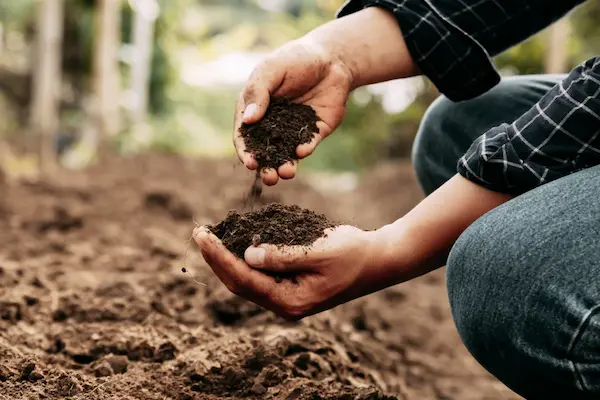
Potting mix guide: what “good structure” looks like in your hand
Reading labels helps, yet your hands can also tell you a lot, because texture predicts how water and air will move around roots.
Great container mix feels springy and fluffy rather than muddy and heavy, which usually means it will drain well while still holding enough moisture for the plant to drink.
Reliable mixes re-wet evenly after drying, because beginner frustration often comes from hydrophobic peat that repels water and lets it run down the sides.
Ingredients that usually signal better drainage
Perlite, pumice, and coarse bark are commonly used to create air pockets, which reduces the odds of roots sitting in stagnant water after you water thoroughly.
Chunkier particles help because they resist compaction, and compaction is what turns a decent mix into a brick after a few months of watering.
Stable structure matters even more indoors, because indoor pots dry more slowly and therefore punish dense mixes more quickly than sunny outdoor containers.
- Perlite: lightweight white bits that boost airflow and keep mix from packing down tightly.
- Pumice: heavier porous rock that improves drainage while adding stability in windy outdoor pots.
- Bark fines: organic chunks that hold structure and create pores, especially helpful for plants that hate soggy feet.
- Coarse sand: sometimes included, yet too much can make a mix heavy, so it works best in moderation.
Ingredients that usually signal stronger water-holding
Peat moss and coconut coir hold moisture, which can be helpful for thirsty plants or hot climates, although they must be balanced with drainage materials.
Vermiculite can hold water and nutrients, which helps seedlings and moisture-loving plants, while also increasing the risk of staying too wet if the pot has poor drainage.
Compost can improve moisture and provide nutrients, yet in containers too much compost can lead to a dense, heavy mix that dries unevenly.
- Peat moss: holds water well but can become water-repellent when bone dry unless re-wetted slowly.
- Coconut coir: holds water and can re-wet more easily, though quality varies by product and processing.
- Vermiculite: moisture-friendly mineral that supports seedlings but can be too water-holding for some houseplants.
- Compost: nutrient-rich amendment that is powerful in beds and useful in pots when used lightly.
Why “moisture control” mixes can be both helpful and risky
Moisture-control products often include wetting agents or water-holding components that reduce drying speed, which can help forgetful waterers or very hot balconies.
Risk appears when beginners keep watering on a schedule, because a water-holding mix plus frequent watering can quietly create constant saturation.
Success improves when you choose moisture-control only if you commit to checking moisture before watering, rather than watering because it is “watering day.”
Beginner soil tips: how to read soil labels without getting overwhelmed
Marketing language is designed to feel comforting, so your goal is to look past the big words and find the practical details hidden in smaller print.
Clarity comes from scanning a label in the same order every time, because a routine prevents impulse buys.
A quick label-reading checklist you can use in the store
- Confirm the intended use, such as “for containers,” “for raised beds,” or “for in-ground,” because that one line prevents most mistakes.
- Check whether fertilizer is included, because adding extra food on top of an already-fertilized mix can stress plants.
- Look for structure ingredients like perlite or bark, because those usually mean better airflow and less compaction.
- Notice moisture claims like “holds water,” because that affects how often you should water and how forgiving the mix will be.
- Read the volume, because big pots and beds require far more mix than most beginners expect when they grab “just one bag.”
Understanding “feeds for X months” in plain language
When a bag says it “feeds for weeks or months,” it usually means slow-release fertilizer pellets are mixed in, which release nutrients gradually when watered.
Timing is not exact because temperature and watering frequency affect how fast those pellets release, so the number is best treated as a general range.
Extra feeding is rarely needed early if the mix already includes fertilizer, so holding off can prevent fertilizer burn and leaf stress.
What “organic” and “natural” usually mean on packaging
Organic claims can refer to ingredient sources or production methods, yet they do not automatically guarantee perfect quality, perfect texture, or perfect results.
Natural ingredients can still be strong, so “natural” fertilizer can burn plants just like synthetic fertilizer if applied too heavily.
Better choices come from matching the product to your use case, rather than assuming one word on the bag will do the work for you.
Spotting warning signs that a bag is not right for your goal
A product that says “topsoil” or “garden soil” is usually not what you want for indoor pots, even if the front looks like it is meant for “all plants.”
A mix that feels extremely dusty can irritate airways, so wearing a mask when handling dry material and dampening the mix slightly can make the process safer and more comfortable.
A bag that feels soaking wet inside may have been stored poorly, which can sometimes lead to mold growth or inconsistent texture, so choosing a fresher bag is often wiser.
How to choose garden soil for pots: the simplest decision rules
Container soil choices become easy when you follow a few decision rules that match plant needs and your watering habits.
Stronger plants appear when you pick a mix that fits your lifestyle, because a “perfect” mix fails if it demands a level of attention you will not realistically give.
Rule 1: match the mix to how often you check moisture
Forgetful waterers usually do better with a mix that holds moisture a bit longer, while anxious over-waterers usually do better with a faster-draining mix that forgives extra attention.
Honesty helps because your habits matter more than your intentions, and soil can either support your habits or punish them.
Rule 2: match the mix to the plant’s root personality
Succulents and cacti tend to prefer fast drainage and lots of air, while leafy herbs and greens usually like more consistent moisture without staying soggy.
Orchids and similar epiphytes often want chunky bark-based media, because their roots evolved to cling to surfaces with high airflow rather than sit in fine, wet mix.
Tropical houseplants vary widely, so starting with a balanced all-purpose potting mix and adjusting gradually is usually safer than building an exotic blend on day one.
Rule 3: match the mix to the pot and the environment
Bright sun and wind dry pots fast, so a slightly more water-holding mix can help outdoors, while low indoor light dries pots slowly, so an airier mix often prevents soggy roots.
Plastic pots hold moisture longer than porous clay, so clay can be forgiving for over-waterers, while plastic can be forgiving for under-waterers.
Large pots stay wet longer than small pots, so choosing a very water-holding mix for a huge pot can create a slow-drying swamp that never fully recovers.
How to choose garden soil for beds: simple blends that work in real life
Bed soil choices are less about buying the “richest” bag and more about building a balanced structure that drains after rain but still holds moisture for roots.
Long-term success comes from building soil health over time, because beds become easier each season when structure improves and soil life increases.
Raised bed mix: what “balanced” usually looks like
Many gardeners succeed with a raised bed blend that includes compost for fertility and organic matter plus a bulk component for structure, because compost alone can settle too much.
Texture should feel crumbly and loose rather than sticky, which usually means water will soak in without puddling and roots will explore without resistance.
Top-dressing with compost each season can keep beds productive, because heavy rain, harvesting, and natural breakdown gradually reduce organic matter over time.
In-ground improvement: the beginner method that avoids expensive overhauls
Improving existing soil often starts with adding compost on top and letting worms and weather incorporate it, because aggressive digging is not always necessary for progress.
Mulch helps because it reduces evaporation, protects soil structure from heavy rain, and slowly adds organic matter as it breaks down.
Drainage problems sometimes need structural solutions like raised beds or contouring, because soil alone cannot always fix a location that stays flooded after storms.
Examples of ready-made mixes and when each one makes sense
Ready-made mixes can save time and reduce confusion, as long as you choose the category that fits your planting style rather than trusting the prettiest photo on the front.
Use these examples as patterns, because brand names vary while categories stay consistent across most garden stores.
Common ready-made options for containers
- All-purpose potting mix: a balanced starting point for many houseplants and outdoor container plants, especially when you are still learning your watering rhythm.
- Indoor potting mix: often designed to drain well and reduce mess, which can help in low-light homes where pots dry slowly.
- Moisture-control potting mix: helpful for hot, sunny balconies or forgetful watering, yet risky for low-light indoor spots where water already lingers.
- Cactus and succulent mix: fast-draining and airy, ideal for plants that hate wet roots and for beginners who tend to over-water.
- Orchid mix: chunky bark-based media for orchids and other airy-root plants, not a general replacement for standard potting mix.
- Seed-starting mix: fine texture for germination, best for the first stage before moving seedlings into richer potting mix.
Common ready-made options for beds and in-ground
- Raised bed mix: blended for outdoor beds, usually a good choice when you want predictable results without custom mixing.
- Compost: best as an amendment or top-dressing, powerful for improving structure over time rather than serving as the only ingredient.
- Garden soil: intended for in-ground use, helpful for filling and blending but usually not suitable for containers.
- Topsoil: bulk filler for landscape leveling or mixing, variable quality, and best used with compost for better performance.
- Soil conditioner: focused on improving texture and organic matter, useful when native soil is heavy or depleted.
A simple comparison chart in words
Container mixes prioritize airflow and predictable drying, raised bed mixes prioritize balanced moisture and structure, and in-ground products prioritize blending with native soil rather than acting as a complete ecosystem by themselves.
Budget choices work better when you buy the correct type first, because “cheap but wrong” becomes more expensive after replacement, plant loss, and repeated troubleshooting.
Simple DIY soil recipes for beginners who want control
Mixing your own soil can feel intimidating, yet it becomes straightforward when you measure by volume and stick to a few reliable recipes.
Keep it simple at first, because a basic blend that drains well will outperform a complicated blend you cannot repeat consistently.
Recipe 1: balanced potting mix booster for everyday houseplants
This approach works when you already have a standard potting mix but want a bit more airflow and forgiveness.
- Combine 3 parts all-purpose potting mix with 1 part perlite or pumice to increase drainage and reduce compaction.
- Add a small handful of compost only if the plant is actively growing and you are confident you can avoid overwatering.
- Mix thoroughly so the airy material is distributed evenly, because pockets of one ingredient can create uneven drying.
Recipe 2: beginner-friendly succulent blend that forgives overwatering
Fast drainage is the goal here, because many “plant killers” are actually “over-waterers” using mix that holds water too long.
- Combine 2 parts cactus or succulent mix with 1 part perlite or pumice for extra airflow in lower-light homes.
- Use a pot with a drainage hole and avoid oversized containers, because drainage plus correct pot size is the real winning combo.
- Water deeply, then wait until the mix is dry well below the surface, because frequent small watering defeats the whole purpose.
Recipe 3: simple raised bed blend for reliable vegetables and flowers
Many beginners succeed with a compost-plus-structure blend that stays loose and feeds plants steadily.
- Combine 1 part compost with 2 parts raised bed soil or a bulk soil component designed for beds, because structure prevents over-settling.
- Blend evenly and water the bed to settle it, because dry pockets can hide and cause uneven germination.
- Top with mulch once plants are established, because mulch stabilizes moisture and reduces the stress of hot days.
DIY warnings that save plants
- Heavy garden soil should not be used as the main ingredient in containers, because compaction and waterlogging become likely.
- Fresh, uncomposted manure should be avoided for most beginner uses, because it can burn plants and create unpleasant odor issues.
- Extremely fine sand can reduce airflow when used heavily, so coarse materials and structural particles usually perform better.
- Random “backyard dirt” can contain pests, weed seeds, and unknown contaminants, so caution is wise for indoor pots and edible crops.
Beginner soil tips for troubleshooting: signs your soil choice is the real problem
Plants often look “mysteriously unhappy” when the soil is wrong, because roots suffer quietly long before leaves show obvious symptoms.
Diagnosis becomes easier when you connect symptoms to moisture movement, since most soil problems are really water-and-air problems.
Sign 1: water sits on top and refuses to soak in
Compaction or hydrophobic mix can cause water to pool, so loosening the surface gently and watering slowly can help re-wet the root zone.
Bottom-watering can help rehydrate a dry peat-heavy mix, because soaking from below gives the mix time to absorb rather than repel water.
Long-term improvement often requires adding airy ingredients, because a mix that has collapsed rarely returns to perfect structure on its own.
Sign 2: the pot stays wet for many days and smells “swampy”
Overly dense mix, oversized pots, low light, or missing drainage holes can keep roots constantly wet, which reduces oxygen and encourages rot.
Immediate steps include letting the mix dry more, improving airflow around the pot, and ensuring water can actually exit through drainage.
Repotting into a lighter, airier mix may be necessary if roots are already stressed, because changing watering alone cannot fix a soil that never breathes.
Sign 3: fungus gnats keep showing up indoors
Fungus gnats are often attracted to consistently damp organic material, so improving drying cycles and removing decaying plant matter reduces their favorite conditions.
Sticky traps can reduce adults, while better soil airflow and careful watering reduce the wet habitat that supports larvae.
Replacing the top inch of mix with a drier, more mineral layer can help, because it makes the surface less inviting for egg laying.
Sign 4: plants dry out too fast even when you water thoroughly
Very airy mixes, small pots, hot sun, and wind can cause rapid drying, so moving to a slightly larger pot and adding more water-holding components can stabilize moisture.
Mulching the soil surface in outdoor containers helps slow evaporation, which is an easy fix that does not require changing the entire mix immediately.
Consistent deep watering works better than frequent sips, because shallow watering leaves dry zones that turn the root ball into a hard, shrinking lump.
Sign 5: growth is weak even though watering seems fine
Low light is often the real cause, yet depleted nutrients can also contribute, especially in containers that have been watered for months without refreshed soil or feeding.
Gentle feeding can help if the plant is actively growing and roots are healthy, because fertilizer works best when the plant can actually use it.
Refreshing the mix or top-dressing with compost in beds can restore productivity, because organic matter breaks down and needs renewal over time.
How to choose garden soil by building a simple “decision flow”
Decisions feel easy when you follow the same flow every time, because repetition turns confusion into a habit you can trust.
Use the flow below as a mental shortcut, then adjust gradually as you learn what your specific space does to moisture and growth.
- Identify the planting place: pot, raised bed, or in-ground.
- Match the product category to the place: potting mix for pots, raised bed mix for beds, amendments for in-ground.
- Match drainage speed to your habits: faster draining for over-waterers, more water-holding for forgetful waterers.
- Match the mix to the plant type: succulent-friendly for dry-loving plants, balanced for most leafy plants, chunky for orchids.
- Check for drainage holes and appropriate pot size, because perfect soil cannot compensate for a container that traps water.
- Decide whether you need built-in fertilizer, because many beginners double-feed accidentally when they do not notice “feeds for months.”
- Buy the correct volume, because running out mid-project leads to rushed substitutions that create uneven results.
Buying and storing soil the smart way: avoid waste, bugs, and frustration
Soil is a living or semi-living material, so storage matters more than beginners expect, especially in warm or humid places.
Good storage prevents moldy smells, keeps mixes from becoming soaked and heavy, and reduces the chance of unwanted insects moving into your home.
Buying tips that save money
- Calculate container volume before shopping, because big planters can require multiple bags and surprise you at checkout.
- Choose one consistent mix for your first few plants, because switching mixes constantly makes it hard to learn what is working.
- Pick fresher, properly stored bags when possible, because bags left in rain can become soggy and clumpy.
- Avoid buying based only on “rich,” “black,” or “premium,” because structure and intended use matter more than color.
Storage tips for leftovers
- Seal opened bags tightly, because dry mix can become dusty while wet mix can grow mold if left exposed.
- Store off the ground, because contact with damp floors can wick moisture into the bag and change texture.
- Keep away from heavy rain and direct sun, because extreme wetting and overheating can degrade quality and invite pests.
- Label the bag with the date opened, because older mix may need refreshing before it performs well again.
Refreshing old potting mix without starting over
Old potting mix can be reused for many non-sensitive plants if it is not diseased, because structure can often be restored with a few simple additions.
- Remove old roots and debris, because decaying material can attract pests and reduce airflow.
- Add fresh potting mix or compost lightly, because depleted organic matter needs replenishment for healthy growth.
- Boost airflow with perlite or pumice, because reused mix often collapses and needs structure restored.
- Water slowly to re-wet evenly, because older peat-heavy mixes can repel water after long dry storage.
Practical examples: which soil should you choose in common beginner situations?
Examples reduce uncertainty because you can match your situation to a pattern, then make small adjustments rather than reinventing everything.
Use these scenarios as templates, since the goal is not perfection but choosing a “good enough” starting point that creates learning and results.
Scenario 1: indoor houseplant in a low-light room
An airy potting mix with extra perlite usually works well, because low light slows drying and dense mixes stay wet too long.
A pot with drainage plus moisture checking prevents overwatering, because low-light environments make “watering on schedule” especially risky.
- Choose: all-purpose potting mix plus extra perlite.
- Avoid: garden soil, topsoil, or very moisture-control mixes indoors.
- Habit: check moisture before watering, even if the calendar says it is time.
Scenario 2: balcony herbs with strong sun and wind
A balanced potting mix that holds a bit more moisture can help, because sun and wind can dry pots surprisingly fast in outdoor containers.
Mulch on the surface can reduce evaporation, because a thin protective layer slows water loss without changing the whole mix.
- Choose: all-purpose potting mix, optionally with a small portion of coir or compost for stability.
- Avoid: ultra-fast cactus mixes unless the plant prefers dryness and you water confidently.
- Habit: water deeply, then let the pot approach dryness before the next full watering.
Scenario 3: first raised bed for easy vegetables
Raised bed mix or a compost-plus-structure blend supports roots, because beds need both organic matter and physical stability to avoid settling into a hard crust.
Top-dressing with compost each season keeps fertility steady, because vegetables remove nutrients through harvest and growth.
- Choose: raised bed mix, then add compost as a top layer.
- Avoid: filling the entire bed with pure compost, which can settle and behave unpredictably.
- Habit: mulch after seedlings establish, reducing moisture swings and weed pressure.
Scenario 4: in-ground patch with heavy, sticky soil
Compost added gradually can improve structure, because organic matter helps clay form crumbs that drain better while still holding water for roots.
Raised beds might still be easier if water pools after rain, because location and drainage patterns sometimes overpower soil improvements.
- Choose: compost as amendment plus mulch as protection.
- Avoid: adding sand heavily to clay, because certain combinations can create a cement-like texture.
- Habit: improve over seasons, not overnight, while planting tolerant plants at first.
Common myths about soil that keep beginners stuck
Myths sound helpful because they are simple, yet soil is one area where simple myths cause repeated disappointment.
Freedom arrives when you replace myths with a few realistic rules about structure, drainage, and plant needs.
Myth 1: “Black soil is always better”
Color can reflect organic matter, yet structure matters more, because a dark mix can still be dense, muddy, and airless in a container.
Healthy soil can be many shades, so texture, drainage, and suitability to the planting method should lead your decision.
Myth 2: “More fertilizer fixes everything”
Fertilizer cannot solve low light, overwatering, or poor airflow, so feeding a struggling plant can actually add stress rather than relief.
Roots must be healthy to use nutrients, which means soil structure and watering habits come first.
Myth 3: “Any soil works if you water correctly”
Even perfect watering cannot keep roots healthy in a mix that compacts into a brick or stays soggy for days, because oxygen access is non-negotiable for root function.
Correct soil reduces how “perfect” your watering needs to be, which is exactly what beginners need for consistency.
Where to learn more safely and reliably, without drowning in random advice
Better learning happens when you follow sources that explain principles, because principles stay useful even when plant varieties and product labels change.
Regional guidance matters for outdoor gardening, because climates shape watering, planting seasons, and which soil blends perform well.
- University agricultural or horticulture extension programs that publish region-specific soil and gardening guidance.
- Botanical gardens and horticultural societies that teach fundamentals and observe plants over long periods.
- Local nurseries that specialize in your climate, since they often know which mixes and amendments perform best locally.
- Introductory gardening books that focus on soil structure, watering, and plant needs rather than “instant hacks.”
Conclusion: how to choose garden soil with confidence every time
Soil stops being mysterious when you match the product category to the planting place, then match drainage speed to your habits, and finally match the mix to the plant’s preferences.
Beginner success becomes far more likely when you avoid using garden soil in pots, prioritize drainage holes, and read labels with a simple checklist instead of emotional guessing.
Small experiments build skill fast, so starting with one reliable potting mix, one raised bed blend, and a steady moisture-checking routine will teach you more than buying five different bags at once.
Notice: This content is independent and has no affiliation, sponsorship, or control by any entities mentioned.