
Beautiful indoor plants become dramatically easier to keep alive when the pot is chosen for roots first and decor second, even if your style instincts are strong.
This indoor pots guide will help you balance aesthetics with function, so your plants look intentional and also stay healthy for the long run.
How to choose indoor plant pots without sacrificing your style
Design-forward planters can absolutely work indoors, yet the best-looking setup is still built on one unglamorous truth: roots need air, drainage, and the right-sized home.
Function does not have to look boring, because you can hide practical pieces inside decorative planters and still keep your room’s vibe consistent.
Clarity matters here, since many “mystery plant deaths” are actually pot problems that show up weeks later as yellow leaves, drooping, and slow decline.
Comfort comes from understanding the system, because once you know what each pot feature does, you stop guessing and start choosing with calm confidence.
This content is independent and does not have affiliation, sponsorship, or control by any institutions, platforms, or third parties mentioned.
Notice: this content is independent and has no affiliation, sponsorship, or control by any institutions, platforms, or third parties mentioned.
What this article will deliver in plain terms
You will learn the difference between a cachepot and a pot with a drainage hole, plus pot size tips, material pros and cons, and simple ways to pair saucers, substrate, and decor.
A practical decision checklist will also help you shop quickly, so you do not fall into the “pretty pot trap” that sabotages plant health.
Houseplant basics: why the pot matters more than most beginners realize
Leaves get all the attention, yet roots are the engine, and the pot is the engine room where oxygen, moisture, and temperature decide whether the plant thrives.
Indoor environments usually dry more slowly than outdoor setups, so a pot that traps water can quietly create stress even when your watering feels “normal.”
Drainage holes exist for a reason, because excess water needs an exit path to prevent the root zone from staying saturated and oxygen-starved.
Pot size controls how long soil stays wet, which means the same watering habit can be safe in one container and dangerous in another.
Material changes evaporation, which is why terracotta often dries faster while plastic often holds moisture longer, especially in cool rooms.
Shape influences water distribution and root behavior, so tall narrow pots and low wide bowls can behave very differently with the same plant.
The root rule that makes every choice easier
Choose the pot that creates a predictable wet-to-dry rhythm for your plant, because roots prefer consistency more than constant dampness or constant dryness.
Cachepot vs pot with a hole: the difference that prevents root rot
A huge number of indoor plant issues start with confusing these two items, because both look like “a pot” while behaving like totally different systems.
Understanding the difference lets you buy the decorative planter you love while still protecting your plant with real drainage.
What a pot with drainage holes actually does
A pot with drainage holes allows excess water to exit, which helps the soil re-aerate as it dries and keeps roots from suffocating in stagnant moisture.
That draining cycle pulls fresh air into the mix, which is one reason well-drained pots often produce sturdier growth and fewer fungus gnat issues.
What a cachepot really is, and why it can be risky
A cachepot is a decorative outer planter that typically has no drainage holes, which means it can collect water at the bottom without you noticing.
Water pooling inside a cachepot can keep the inner soil wet for too long, even when the top looks dry, which is how overwatering happens “by accident.”
The safest way to use a cachepot without harming your plant
- Keep the plant in a nursery pot or inner pot that has drainage holes, because the inner pot is the real functional container.
- Water at a sink or shower and let it drain fully, because draining is not optional when the outer planter cannot release water.
- Check the cachepot bottom before returning the plant, because hidden puddles are the quiet enemy of healthy roots.
- Use a spacer or small stand inside the cachepot if needed, because lifting the inner pot can keep roots away from any leftover moisture.
- Re-check after 15 to 30 minutes, because some mixes release extra water slowly and can surprise you later.
Quick comparison: when each option makes sense
- Choose a pot with a hole when you want the simplest routine, because direct drainage reduces the risk of waterlogging.
- Choose a cachepot system when decor is a priority and you are willing to drain carefully, because style can still be safe with the right method.
- Avoid no-hole pots as the only container for most plants, because the margin for error becomes extremely small indoors.
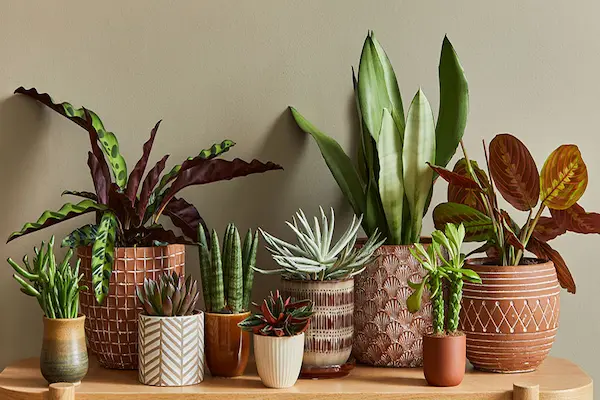
How to choose indoor plant pots by size: the “just one step up” principle
Pot size tips save plants because size controls drying speed, and drying speed controls root oxygen, which is the real health driver behind many watering decisions.
Bigger pots look luxurious, yet they often stay wet much longer, so beginners who water on a schedule can unknowingly create chronic root stress.
Smaller pots dry faster, which can be forgiving for overwaterers, yet it can challenge forgetful waterers during warm months or in bright windows.
The most beginner-safe sizing rule
Move up only one pot size at a time, because a small increase gives roots room while keeping soil moisture easier to predict.
What “one size up” means in practical terms
- A common approach is increasing the pot diameter by about 2 to 5 cm, because that adds space without creating a huge volume of wet soil.
- For very small plants, even a 2 cm jump can be enough, because tiny root systems can be overwhelmed by extra soil staying wet.
- For larger plants, gradual steps still matter, because overly large containers can keep lower layers damp long after the top feels dry.
How to tell if a plant actually needs a bigger pot
- Roots circling tightly or growing out of drainage holes often signal crowding, because the plant has filled the available space.
- Water running straight through too quickly can signal a rootbound pot, because roots displace soil and reduce water-holding capacity.
- Growth slowing despite decent light and care can suggest the plant is limited, because roots need space to support new leaves.
- The plant drying out unusually fast can indicate too little soil volume, because the pot cannot hold moisture long enough between waterings.
Signs a pot is too large for the plant
- Soil staying wet for many days after watering suggests oversizing, because roots cannot use water fast enough to re-aerate the mix.
- Yellow leaves combined with damp soil can appear, because oxygen shortage stresses roots and nutrient uptake becomes erratic.
- Fungus gnats may show up, because constantly moist soil creates a comfortable environment for larvae.
Drainage holes: the feature that makes indoor plants forgiving
Drainage holes are not about “letting water out” only, because they also support airflow and prevent the sour, stagnant conditions that damage roots.
Indoor plant care gets easier when your container provides a safety valve, because even careful people occasionally water a bit too much.
How many drainage holes are enough
More than one hole is often better, because multiple exit points reduce pooling and help water move through the soil more evenly.
One larger hole can work too, especially if the pot design drains well, yet slow-draining mixes may benefit from additional holes or a better soil texture.
What to do if the decorative planter you love has no hole
- Use it as a cachepot with an inner nursery pot, because you get the look while maintaining function.
- Drill a hole if the material allows and you feel comfortable, because converting a planter can turn a risky choice into a safe one.
- Reserve no-hole planters for faux plants or for very controlled setups, because most living plants do better with real drainage.
Saucers and trays: helpful accessories that can also backfire
A saucer protects furniture, yet it becomes harmful when water sits there for hours or days, because the pot can re-absorb water and stay saturated.
Healthy routines treat saucers as temporary catchers, not permanent water reservoirs, unless you are using a carefully designed self-watering system.
- Water until drainage flows, because thorough watering is healthier than tiny sips that keep the top constantly damp.
- Let the pot drain for 10 to 30 minutes, because excess water needs time to exit fully.
- Empty the saucer, because standing water reduces oxygen and increases root rot risk.
- Wipe the saucer if needed, because clean surfaces discourage pests and keep your decor looking intentional.
Indoor pots guide: choosing the right pot material for your home and habits
Material matters because it changes drying speed, temperature stability, and how forgiving your routine feels, especially when your light is limited.
The best material is rarely “the fanciest,” because it depends on whether you overwater, underwater, or simply want the easiest possible care.
Terracotta: breathable, classic, and often beginner-friendly
Terracotta allows moisture to evaporate through its walls, which can protect plants from staying too wet in slower-drying indoor spaces.
Because terracotta dries faster, it can help overwaterers, yet it may require more frequent watering for thirsty plants in bright windows.
- Best for: succulents, cacti, snake plants, and many drought-tolerant plants that dislike soggy soil.
- Watch out for: fast drying in summer or near heaters, because roots can dry faster than you expect.
- Style tip: terracotta pairs beautifully with minimalist decor, and it also looks great inside a larger decorative planter for a layered look.
Plastic: lightweight, affordable, and moisture-retentive
Plastic holds moisture longer, which can help plants that prefer steadier moisture, yet it can be risky for beginners who water frequently.
Lightweight plastic is also excellent for larger plants, because moving and rotating becomes easier without straining your back.
- Best for: moisture-loving plants, large floor plants, and people who tend to forget watering.
- Watch out for: overwatering in low light, because slow drying plus frequent watering can quickly stress roots.
- Style tip: hide plastic nursery pots inside decorative planters, because you keep the convenience while upgrading the look instantly.
Ceramic and glazed pots: beautiful, heavy, and variable
Glazed ceramic can retain moisture similarly to plastic, because the sealed surface does not breathe much, so drainage holes become even more important.
Weight adds stability, which is helpful for tall plants that tip, yet it also makes moving for rotation or cleaning more challenging.
- Best for: statement plants that need stability, decor-focused corners, and medium-light placements where drying is not extremely slow.
- Watch out for: pots without holes, because many decorative ceramic planters are cachepots by design.
- Style tip: use matching saucers or hidden trays, because glazed pots can drip and leave mineral rings on surfaces.
Metal planters: sleek, modern, and often cachepots
Metal containers frequently lack drainage and can heat up or cool down quickly, which makes them better as outer decorative planters than primary pots.
- Best for: using as cachepots with an inner draining pot, especially when you want a modern or industrial look.
- Watch out for: rust and water pooling, because trapped moisture can damage furniture and harm roots.
Concrete and stone: heavy, stylish, and temperature-stable
Concrete looks stunning, yet it is heavy, and it often holds moisture longer, so it works best when paired with good drainage and a careful watering rhythm.
- Best for: large floor plants that need weight, and decor schemes that favor earthy, grounded textures.
- Watch out for: difficulty moving and rotating, because one-sided light can create lopsided growth over time.
Decorative planters that still protect your plant: styling the “pot within a pot” system
Design lovers often feel forced to choose between aesthetics and plant health, yet the pot-within-a-pot method gives you both with minimal compromise.
A nursery pot becomes the functional core, while the decorative planter becomes a removable outfit that you can swap seasonally or by room mood.
How to build a clean, stable cachepot setup
- Choose a decorative planter that is slightly wider than the nursery pot, because you need space for airflow and easy removal.
- Add a thin spacer at the bottom if needed, because lifting the inner pot prevents it from sitting in any leftover water.
- Center the nursery pot, because symmetrical placement looks intentional and reduces tipping.
- Use a hidden liner or waterproof insert if you worry about leaks, because protecting floors and shelves keeps plant care stress-free.
- Make removal easy, because if it feels annoying to take the plant out to drain, you will eventually skip the step.
Pratinho, tray, or hidden reservoir: what works best indoors
- Visible saucer: practical and straightforward, while matching colors and textures can make it feel like part of the decor.
- Hidden tray inside cachepot: discreet and stylish, yet it requires checking for pooled water, so reminders help.
- Raised stand inside cachepot: excellent for preventing roots from touching water, especially in slow-drying rooms.
Substrate and pot pairing: how soil choice changes the “right” pot
Soil texture interacts with pot design, which means the same plant can thrive or struggle depending on how drainage holes, mix, and watering style work together.
Heavy mixes in sealed pots hold water too long, while airy mixes in terracotta can dry quickly, so balance is the goal rather than extremes.
Simple substrate profiles and what they need from a pot
- Airy, fast-draining mixes: pair well with plastic or glazed ceramic, because moisture retention prevents overly fast drying.
- Moisture-retentive mixes: pair well with terracotta or very well-draining pots, because breathability reduces soggy conditions.
- Specialty mixes for succulents: pair best with terracotta and strong drainage, because succulents prefer fast dry-down cycles.
How to avoid the “rocks at the bottom” trap
Rocks at the bottom are often suggested as drainage helpers, yet they typically reduce usable soil volume and do not reliably prevent waterlogging in container systems.
Better results usually come from a draining pot, a suitable mix, and a watering routine that respects drying speed.
Matching pot choice to your watering personality
- If you tend to overwater: choose terracotta, smaller incremental pot sizes, and well-draining mixes, because faster drying creates a safety buffer.
- If you tend to underwater: choose plastic or glazed ceramic, slightly larger but not oversized pots, and mixes that hold moisture, because stability reduces stress.
- If you want low maintenance indoor care: choose forgiving plants plus drainage holes, because fewer emergencies happen when water can exit freely.
Pot size tips for common indoor plant types
Different plants use water differently, so matching pot size and shape to plant behavior makes care feel intuitive instead of random.
Succulents and cacti
Succulents generally prefer snug pots that dry quickly, because their roots are prone to rot when kept damp for long periods.
- Shallow pots can work well for many succulents, because their roots often spread more than they dive deep.
- Terracotta is often ideal, because it encourages a fast wet-to-dry cycle.
- Oversizing is risky, because excess soil stays wet and roots cannot use that moisture fast enough indoors.
Tropical foliage plants like pothos, philodendron, and monstera
Tropical foliage plants often like a more even moisture rhythm, which means moderate pot sizing and reliable drainage create the best balance.
- Choose a pot that is only slightly larger than the root ball, because stable moisture is easier to maintain without waterlogging.
- Use a well-draining mix and a draining pot, because tropical plants still need air at the roots even when they enjoy moisture.
- Consider heavier planters for large monsteras, because stability prevents tipping as leaves expand.
Peace lily and other “thirst signal” plants
Plants that droop when thirsty can be beginner-friendly, yet they still suffer if the pot holds water too long after you respond to drooping.
- Use drainage holes, because quick recovery should not come with long-term root stress.
- Avoid huge pot jumps, because droop-driven watering plus slow drying can create a cycle of chronic wet soil.
Palms and tall upright plants
Taller plants benefit from deeper pots and heavier bases, because stability protects stems while deeper soil layers can buffer moisture changes.
- Choose a pot with a wider base or heavier material, because a top-heavy plant can fall and break easily in narrow containers.
- Check drainage carefully, because deep pots can hide soggy lower layers even when the surface feels dry.
How to choose indoor plant pots when you live in low light
Low light slows growth and water use, so pot choices should prioritize drainage and avoid oversized containers that remain wet for too long.
Shade tolerant houseplants still need oxygen at the roots, and low light makes oxygen loss from constant moisture more likely.
Low light pot strategy in one clear checklist
- Choose a pot with drainage holes, because low light conditions already slow drying and you need an exit for excess water.
- Keep the pot slightly snug, because smaller soil volume dries more predictably when the plant is using water slowly.
- Prefer materials that match your habits, because terracotta can protect overwaterers while plastic can help under-waterers.
- Use a mix that drains well, because dense mixes plus low light are a common recipe for root stress.
- Empty saucers consistently, because standing water is more damaging when drying is slow.
Decor meets function: choosing a pot that fits your room and your routine
Visual harmony matters, and a pot can absolutely be part of your interior design story, yet the plant’s needs must set the boundaries.
Within those boundaries, style becomes flexible, because color, texture, height, and shape can all be chosen without compromising drainage.
Design principles that still respect plant health
- Repeat materials across the room, because terracotta, ceramic, or matte neutrals create cohesion even with different plant sizes.
- Use height variation, because plant stands and raised planters add visual rhythm while bringing plants closer to window light.
- Limit the palette, because a consistent set of pot colors makes the collection look curated rather than cluttered.
- Choose a “hero pot” for one statement plant, because one bold planter creates focus while the rest can stay simple.
- Plan for saucers discreetly, because furniture protection can look elegant when it is considered from the start.
How to combine pratinho, substrate, and decoration without mess
- Pick a saucer that is slightly wider than the pot base, because it catches runoff without creating a visible “spill zone.”
- Use a draining inner pot when styling a cachepot, because functional drainage can stay invisible under beautiful design.
- Top-dress lightly with decorative materials only when watering habits are solid, because thick decorative layers can hide soil moisture signals.
- Keep top-dressing away from the stem base, because crowding the crown can trap moisture and invite rot.
- Choose decor that does not block drainage, because beauty should not interfere with the water exit that protects roots.
Common mistakes when choosing indoor pots, and the easy fixes
Most pot mistakes are made with good intentions, because the visual appeal of a planter can override the quiet practical needs of the root zone.
Fixes are usually simple, because you can often change the setup without changing the plant.
Mistake: using a decorative planter as the only pot
Plants decline when water has nowhere to go, because oxygen is displaced and roots cannot function well in saturated soil.
- Fix the issue by converting the planter into a cachepot system, because a draining inner pot restores function immediately.
- Improve your routine by draining at a sink, because controlled watering prevents hidden puddles.
Mistake: repotting into a pot that is too big because “it will grow into it”
Oversized pots stay wet longer, because unused soil holds moisture and roots cannot dry it out quickly indoors.
- Fix the issue by sizing up gradually, because smaller steps keep moisture predictable and reduce root rot risk.
- Support growth with light and appropriate feeding, because faster growth requires energy, not extra empty soil.
Mistake: choosing a pot based on trend rather than plant needs
Trendy pots can be wonderful, yet plant comfort still depends on drainage, size, and mix rather than on what looks good on a shelf.
- Fix the issue by letting the plant type choose the container style, because design can adapt more easily than biology can.
- Use matching outer planters if you crave uniformity, because you can standardize looks while keeping inner pots practical.
Mistake: ignoring how your home changes across seasons
Heating, air conditioning, and seasonal daylight change drying speed, so a pot that was “fine” in summer can become risky in winter.
- Reduce watering frequency when light drops, because slower growth means lower water use.
- Move plants closer to windows when possible, because better light supports healthier roots and more predictable watering.
- Re-check saucers more often in winter, because slow drying increases the impact of leftover water.
Shopping checklist: how to choose indoor plant pots in five minutes
Shopping becomes fast when you know the few questions that matter, because most of the decision is about compatibility rather than aesthetics alone.
Use this list before you buy
- Does it have drainage holes, or will you use it as a cachepot with an inner draining pot?
- Is the new pot only one size up from the current root ball, rather than dramatically larger?
- Will the material match your watering habits, especially if you overwater or underwater?
- Can you lift and rotate it comfortably, because rotation supports even growth and prevents leaning?
- Is there a saucer or drip solution that protects surfaces without trapping water under roots?
- Does the pot shape suit the plant, especially if the plant is tall, top-heavy, or has shallow roots?
- Will the setup be easy to maintain, because complicated systems often fail on busy weeks?
Quick “yes” signals that you found a good option
- A draining inner pot fits neatly inside a decorative planter, because the setup looks clean and functions well.
- The pot feels stable and proportional, because a balanced base reduces tipping and makes the plant look intentional.
- Drainage and saucer planning feel obvious, because clarity now prevents frustration later.
Practical scenarios: choosing the right pot for common apartment situations
Real homes have real constraints, so these examples will help you translate the principles into decisions that fit your space.
Scenario 1: small window, low light corner, and a tough plant
A ZZ plant or snake plant in a slightly snug terracotta pot can be an excellent low maintenance indoor setup, because fast-drying material adds safety in slow-growth light.
- Choose a pot with drainage holes, because the corner will dry slowly.
- Water only after the soil dries well, because these plants store moisture and hate constant wetness.
- Rotate every few weeks, because even tough plants lean toward light over time.
Scenario 2: bright indirect light shelf with trailing pothos
A pothos often looks best in a nursery pot placed inside a decorative planter, because you can remove it to water and keep shelves protected from drips.
- Use a nursery pot with holes, because trailing plants still need oxygen at the roots.
- Choose a decorative planter that hides the plastic, because the look stays elevated without sacrificing function.
- Pinch vines occasionally, because a fuller plant makes the pot feel like a designed feature rather than a random object.
Scenario 3: large statement plant that tips easily
A tall dracaena or monstera often benefits from a heavier outer planter, because weight stabilizes the plant while an inner pot maintains drainage safety.
- Pick a wider base, because tipping risk drops immediately when the footprint increases.
- Keep drainage reliable, because large pots hold more soil and can hide wet layers.
- Plan the saucer solution in advance, because moving heavy wet pots is inconvenient and easy to avoid with good design.
FAQ: quick answers that prevent common pot problems
Should you put stones at the bottom of a pot for drainage?
Better drainage usually comes from a draining pot and an appropriate mix, because stones tend to reduce soil volume and do not reliably prevent waterlogging.
Is it okay to keep a plant in the nursery pot forever?
Keeping a plant in a nursery pot can work for a long time when the size is appropriate, because the pot is designed to drain well and fits neatly into cachepots for decor.
How often should you repot indoor plants?
Repotting is best done when the plant shows clear signs like root crowding or drying too fast, because repotting “on a schedule” can create oversizing and moisture problems.
Can you use a pot without drainage holes if you water very carefully?
It can be done, yet the margin for error is tiny, because one overwatering moment can keep roots wet for too long in a sealed container.
Final takeaway: the best-looking pot is the one your plant can live in
Style and plant health can absolutely share the same space, because cachepot systems let you keep the aesthetic you love while preserving drainage and root oxygen.
Right-sized containers prevent most watering confusion, because predictable drying makes care feel simple and removes the guesswork that frustrates beginners.
Material choice becomes your personal safety net, because terracotta, plastic, and ceramic each support different habits and different indoor conditions.
When you combine drainage holes, sensible sizing, and a clean saucer routine, your indoor plants stop feeling fragile and start feeling like an effortless part of your home.